
Last updated September 21, 2026
Full 25-point door and opener safety check with every visit - springs, cables, rollers, tracks, and your LiftMaster or Chamberlain opener included
You get a price before we start. It does not change when the truck arrives.
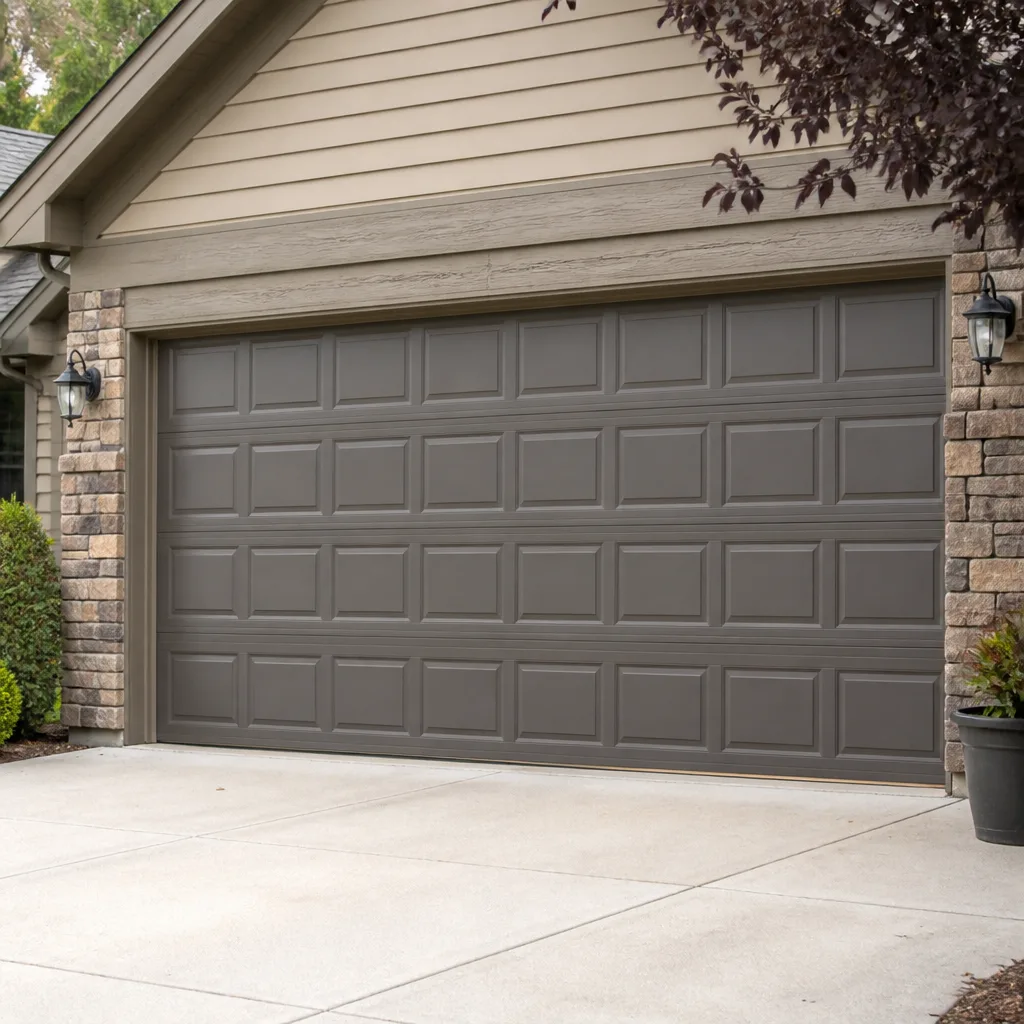
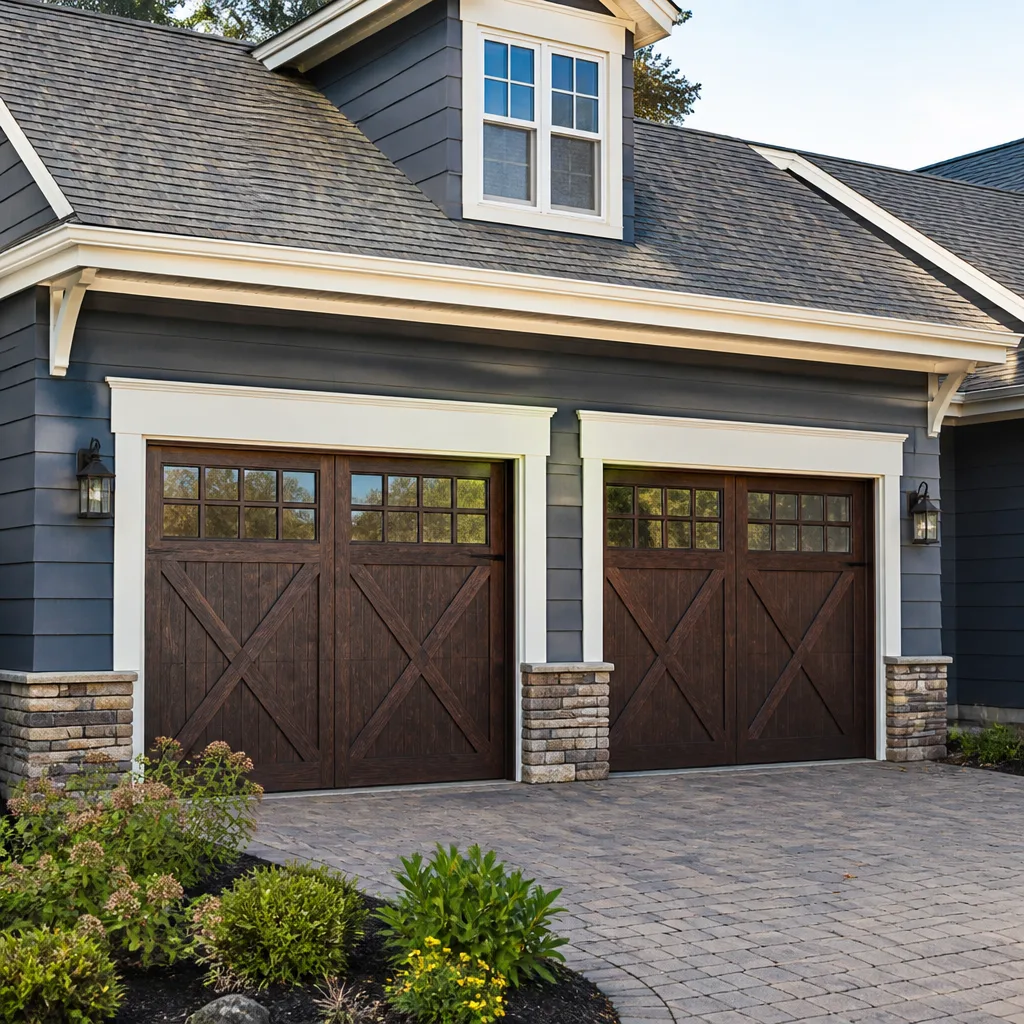
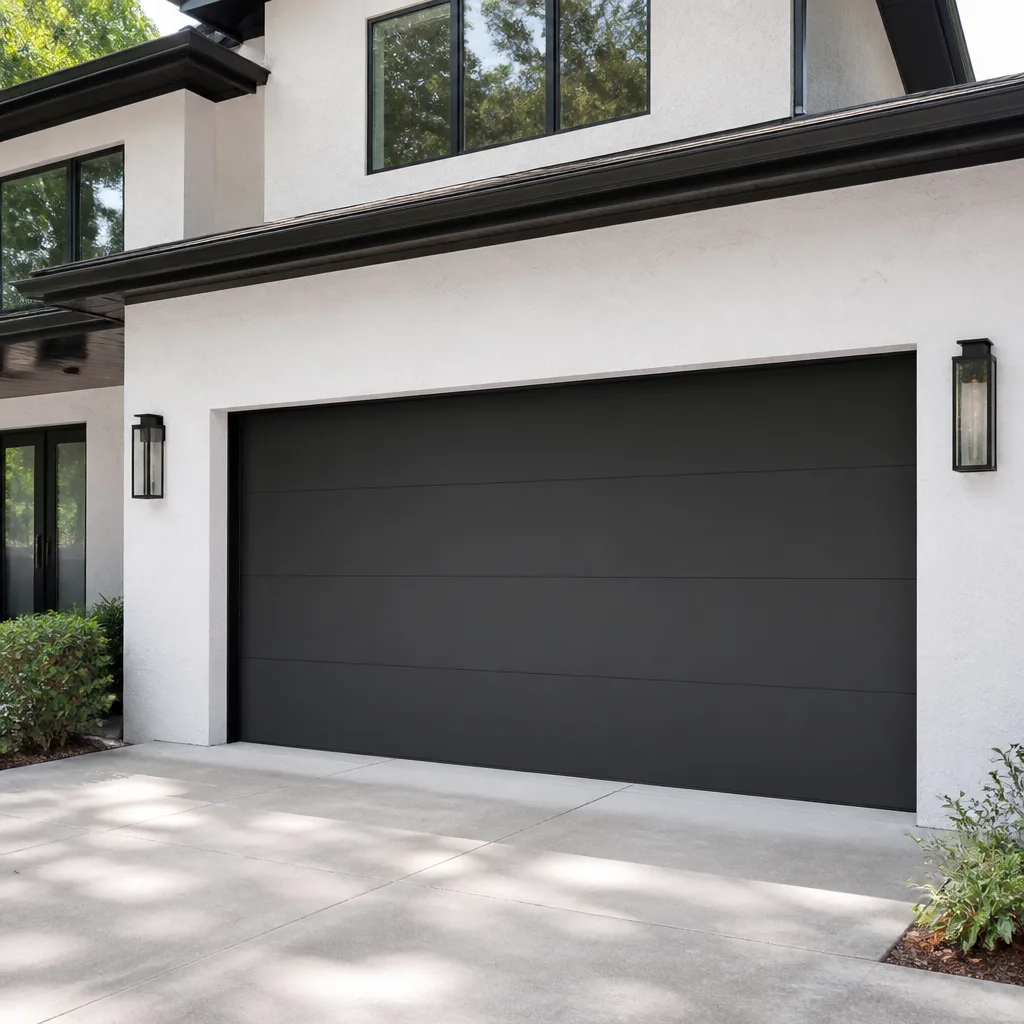
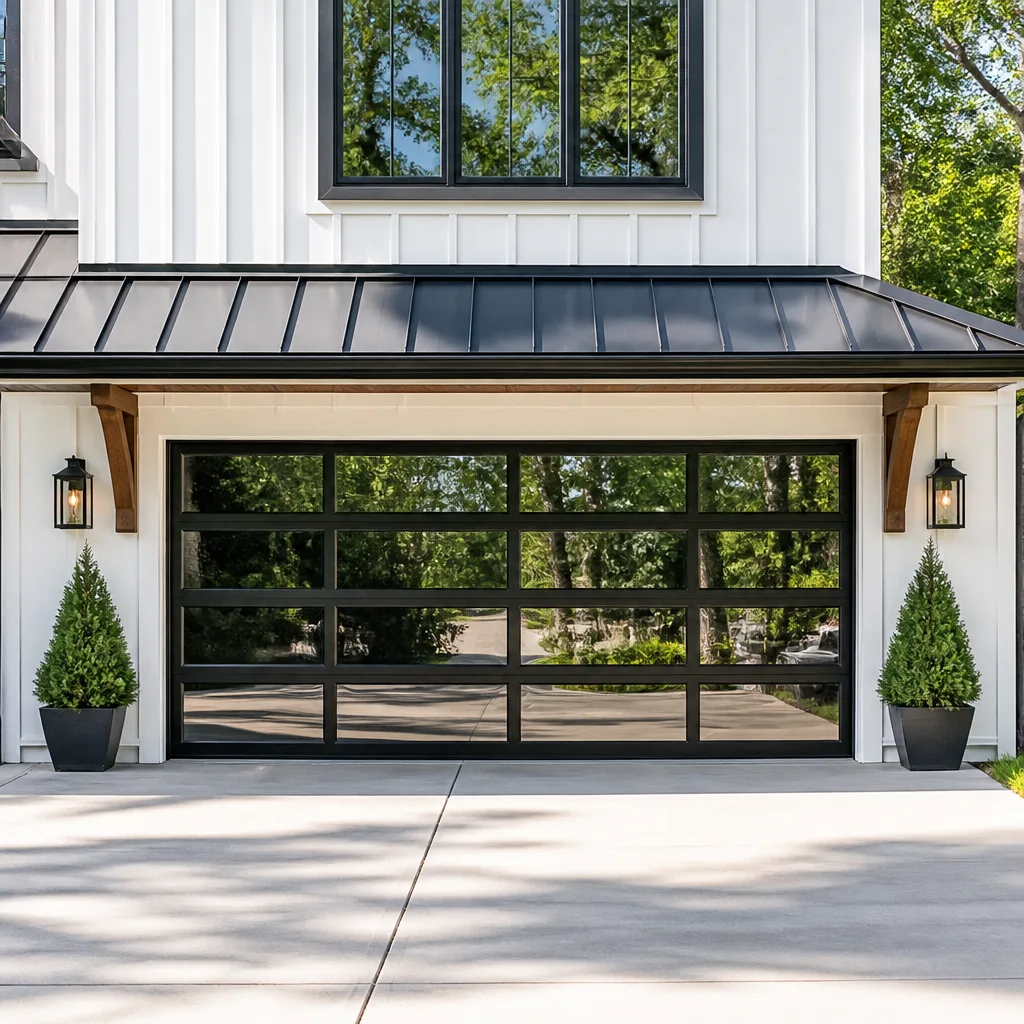
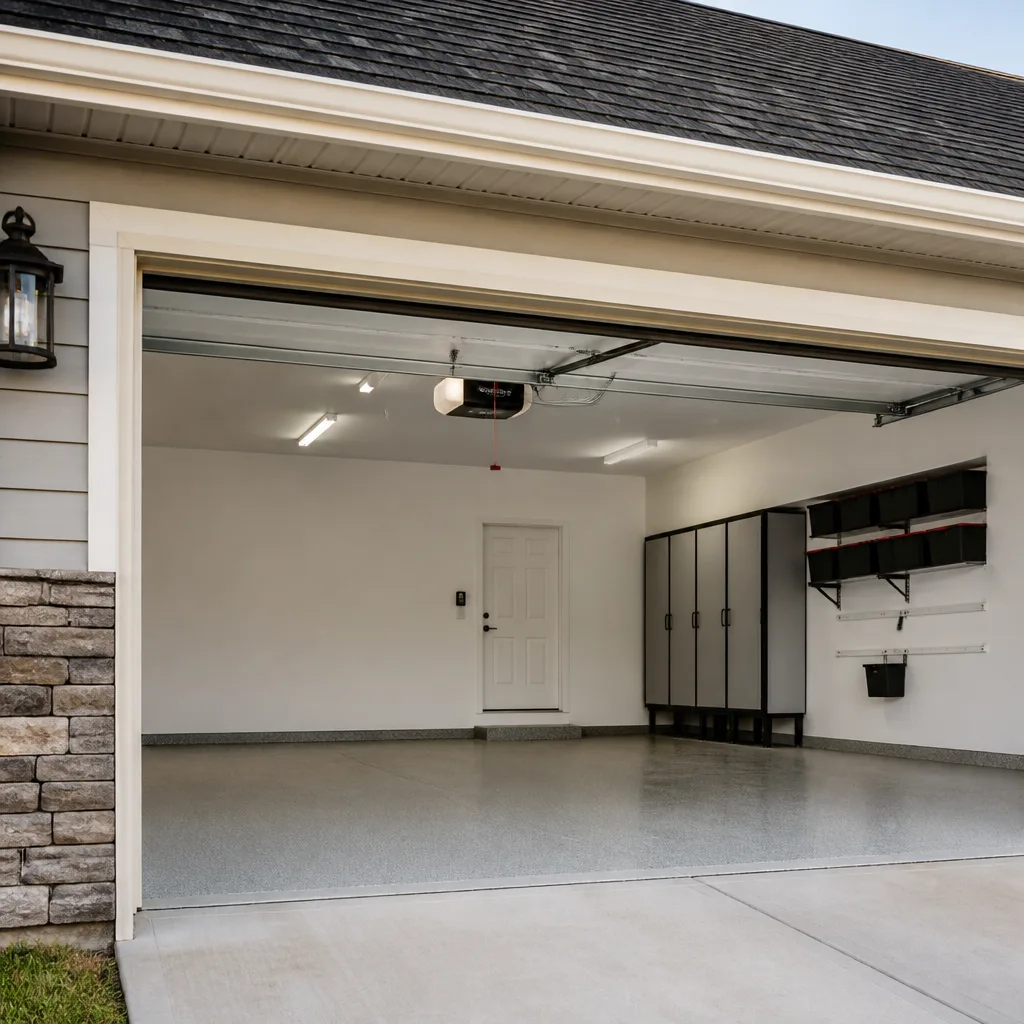
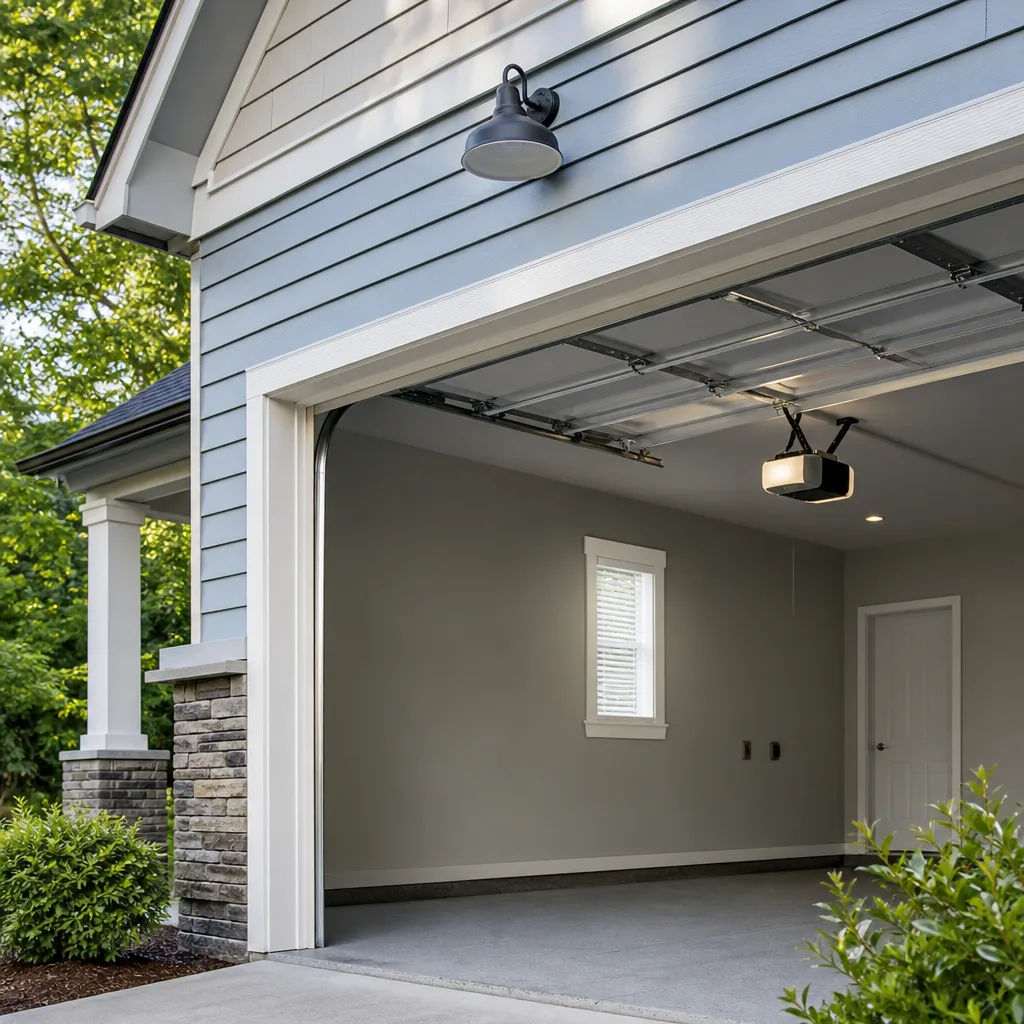
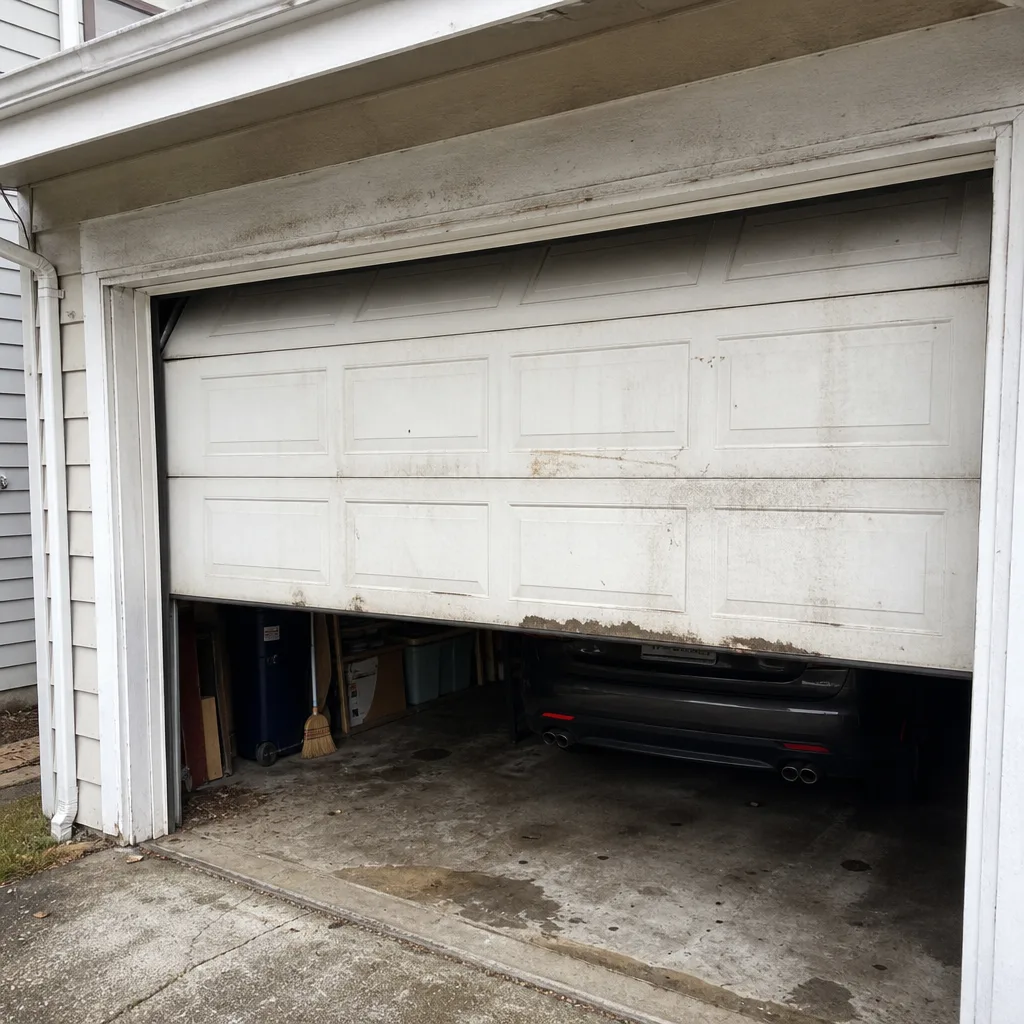 Before
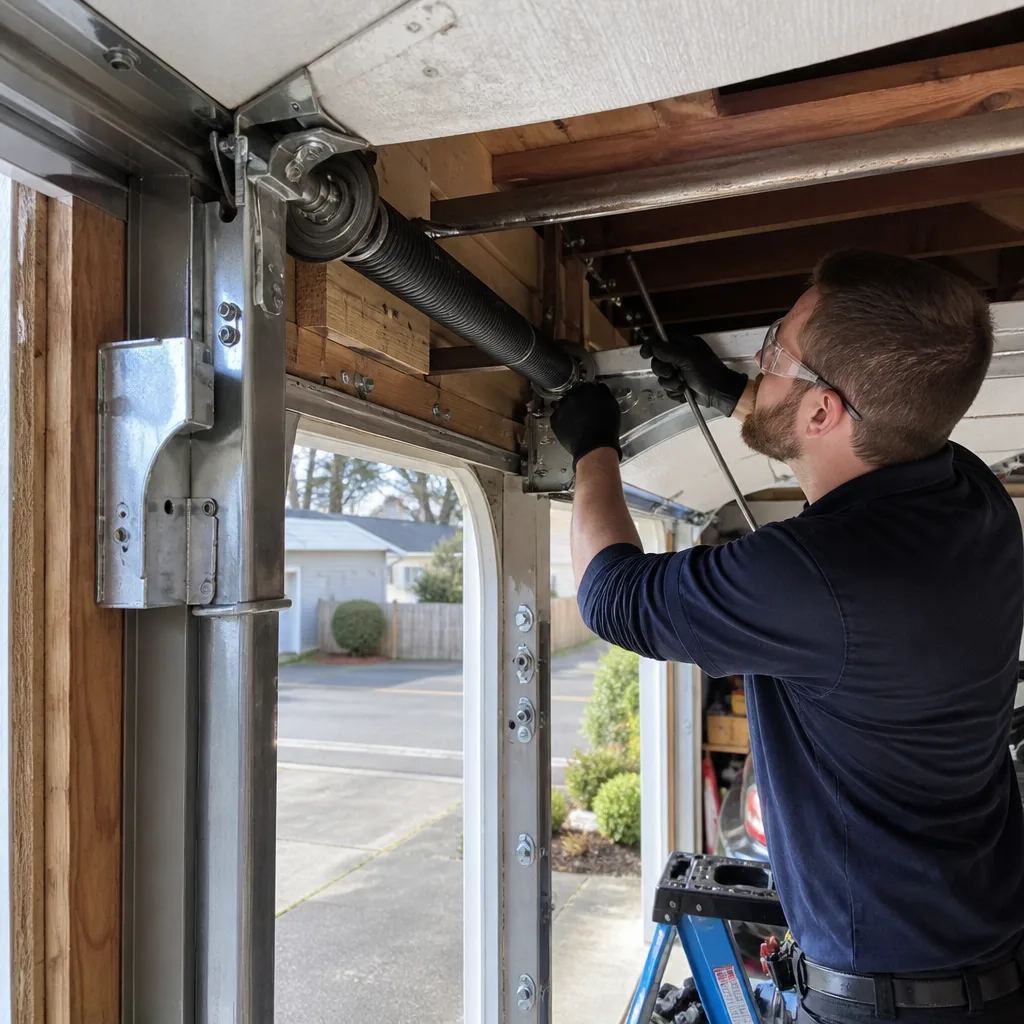 After
After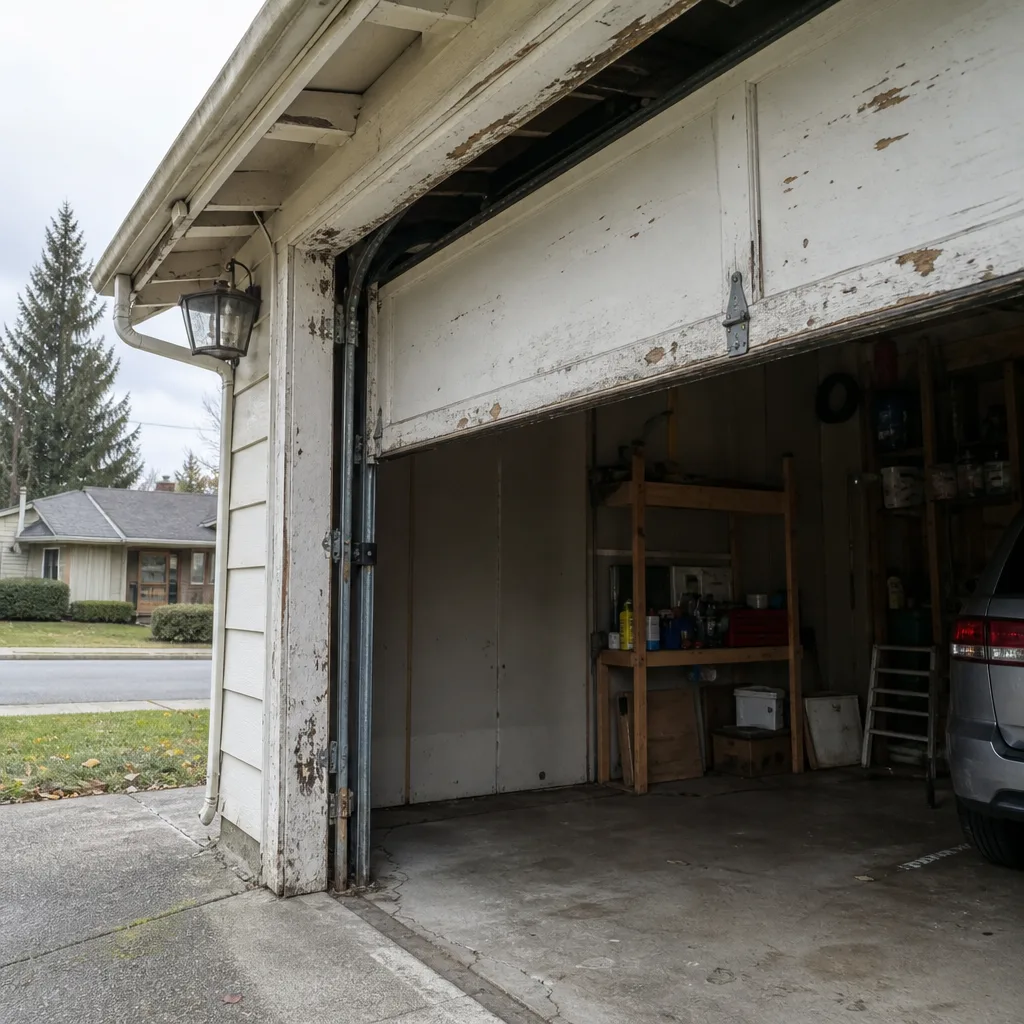 Before
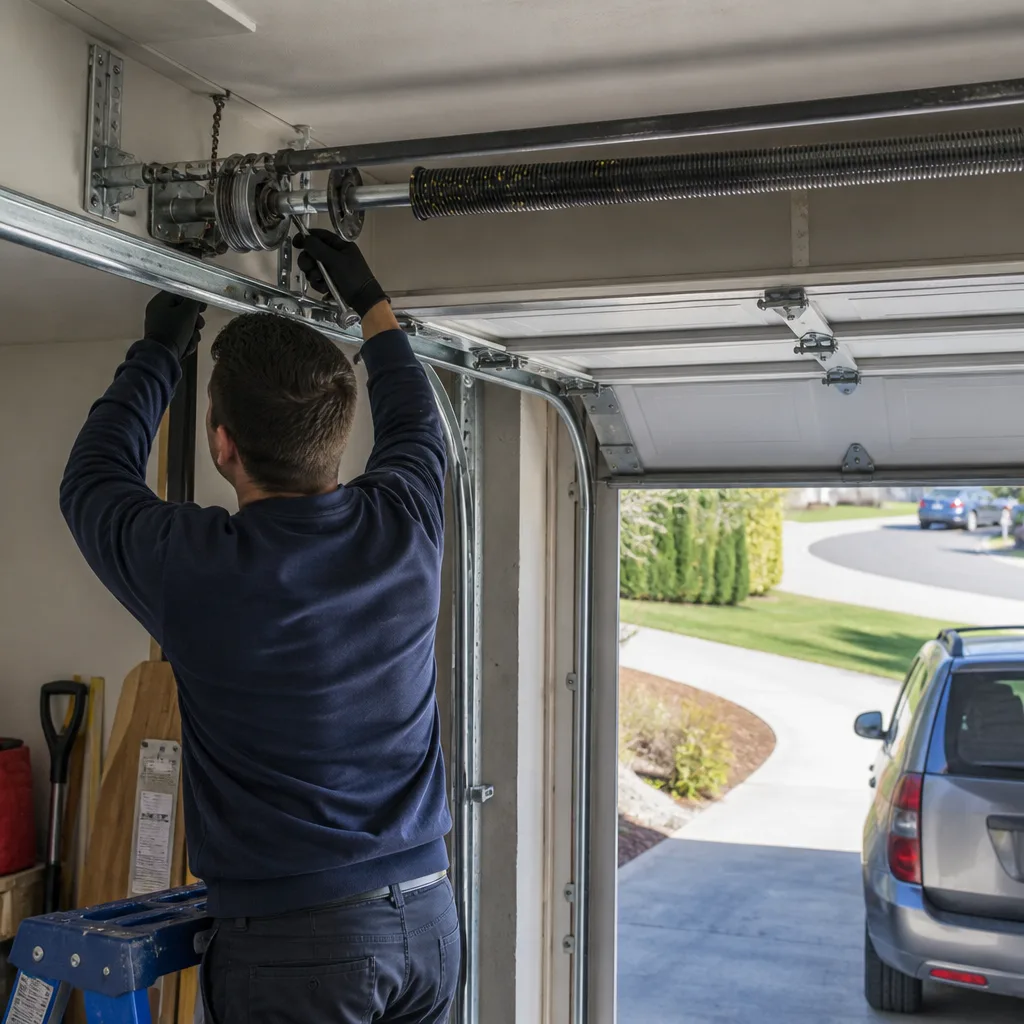 After
After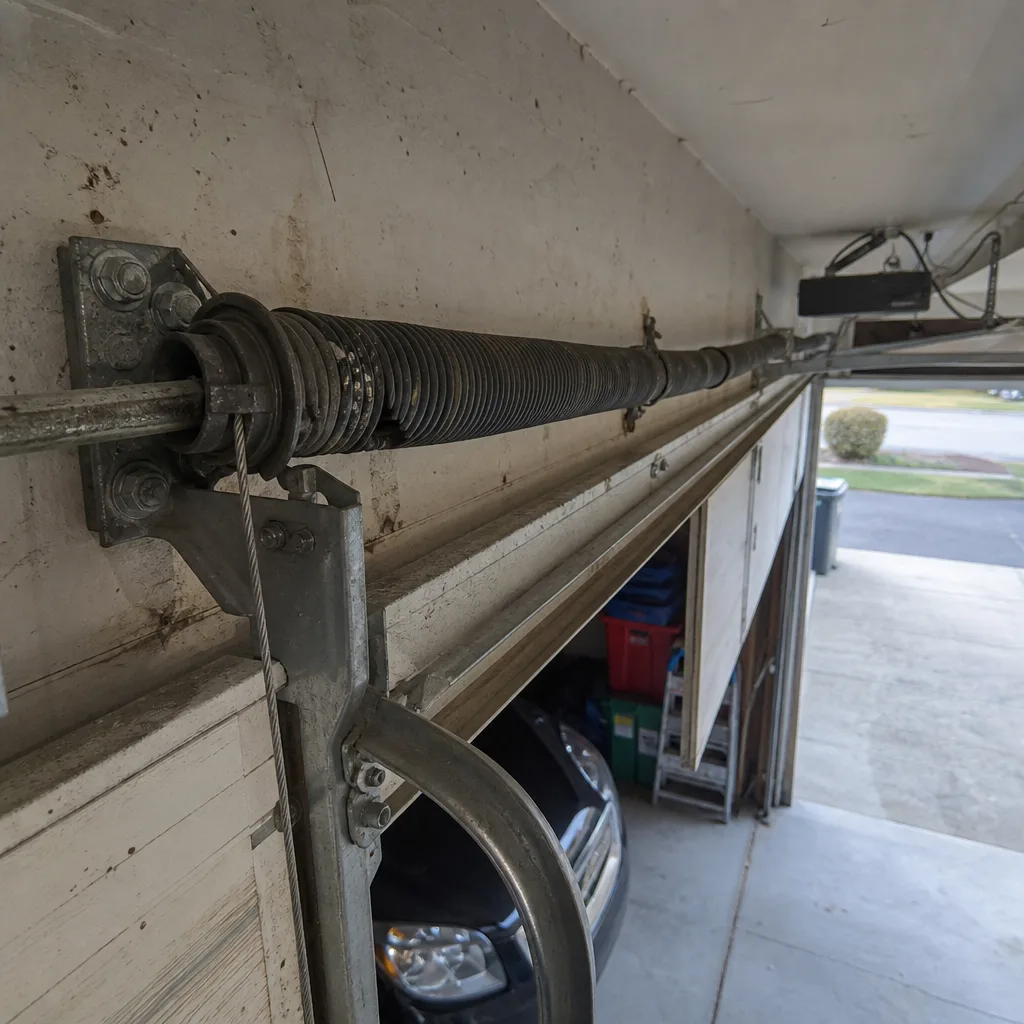 Before
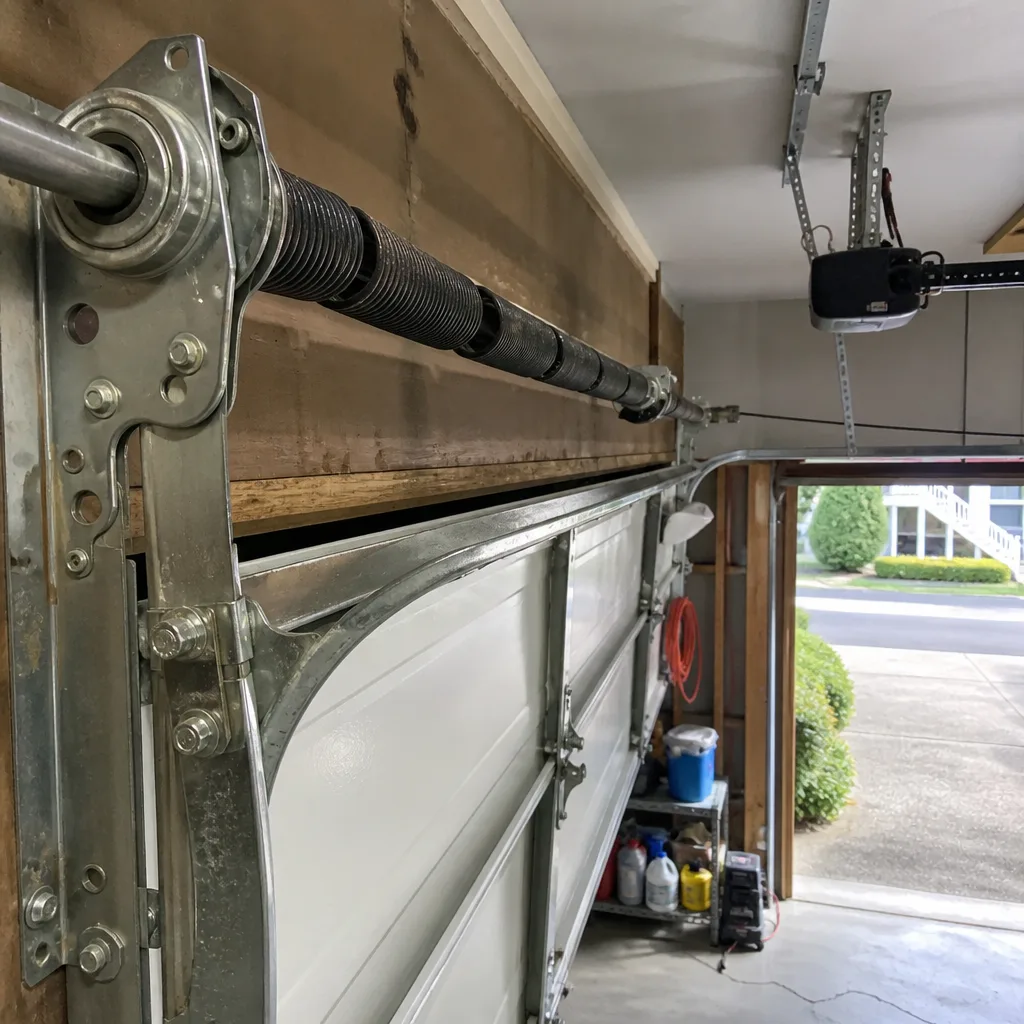 After
AfterThe Complete Guide to Garage Door in Tacoma
The average Tacoma homeowner opens and closes their garage door over 1,500 times a year. Most cannot name a single component inside the torsion tube. That gap between daily use and actual knowledge is where bad quotes happen, where $180 repairs become $900 replacements, and where a homeowner signs off on work without a single photograph to show what was actually broken. This guide maps every decision you’ll face with a garage door in Tacoma, from the first strange noise to the final invoice, with the documentation checkpoints that separate a clean job from a disputed one. For more guides & resources, see our blog.
Quick Answer
A well-maintained garage door in Tacoma lasts 15-30 years depending on material, but salt-air corrosion from Puget Sound, humidity cycles, and freeze-thaw at elevation all accelerate wear. The key decisions every homeowner faces are: whether to repair or replace based on age and failure type, what a legitimate written quote must include before work starts, and how to verify the work that was actually done. This guide covers each decision point with specific component names, cost thresholds, and documentation standards.
Table of Contents
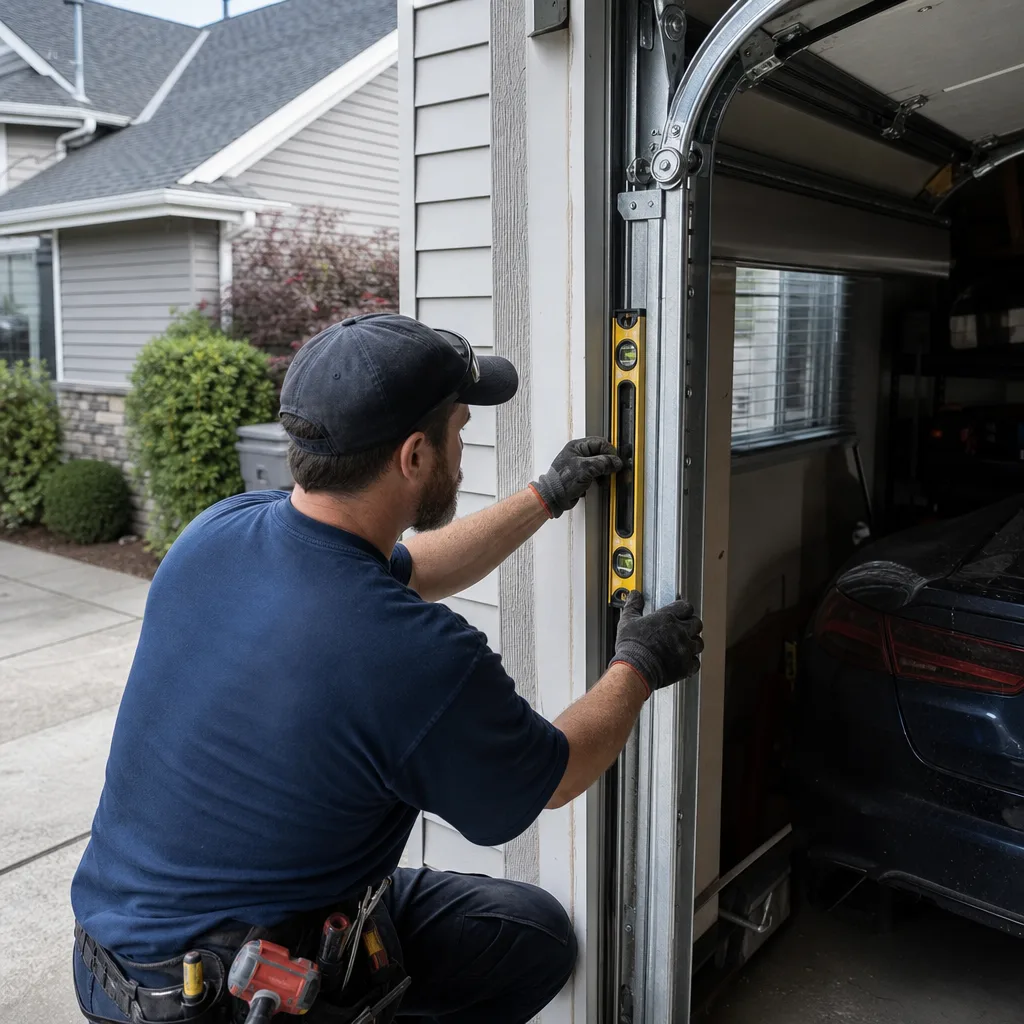
- Component Map: What’s Inside Your Garage Door
- Repair vs. Replace: The Decision Tree
- What a Written Price-First Quote Must Include
- Tacoma-Specific Conditions: Salt Air, Humidity, and Freeze Cycles
- The Paper Trail Checklist: Documentation Before Work Starts
- Garage Door Opener Repair and Installation Decisions
- A Realistic Maintenance Schedule for Tacoma Homes
- Common Mistakes to Avoid
- When to Call a Professional
- Frequently Asked Questions
- The Bottom Line
BeforeAfterComponent Map: What’s Inside Your Garage Door
Every garage door system has two zones: the door itself and the operator. Knowing the names and functions lets you describe symptoms accurately and evaluate whether a quote matches the actual failure.
The Door Assembly
Torsion spring. This is the heavy coil above the door on a metal shaft. It stores mechanical energy to counterbalance the door’s weight, typically rated for 10,000 cycles (one open, one close). In Tacoma, we regularly see torsion spring failures in North End and West End homes where original builder-grade springs hit their cycle limit around year 7-10. A broken torsion spring sounds like a gunshot and leaves the door too heavy to lift manually. This is high-tension hardware. Do not attempt to wind, unwind, or replace a torsion spring without proper training and tools. Serious injury or death has occurred from improper handling.
Drums. These are the grooved wheels at each end of the torsion tube. The lift cables wind onto them as the door rises. A slipping drum causes uneven lifting, one side higher than the other.
Lift cables. These run from the bottom brackets up to the drums. Fraying or rust is visible without disassembly. In Ruston and waterfront Tacoma neighborhoods, salt-air corrosion attacks cables faster than inland areas.
Bottom brackets. The lowest attachment points on each side of the door. They carry the full tension of the cables. If a bottom bracket loosens or cracks, the cable can detach with dangerous force.
Hinges and rollers. Hinges connect door sections; rollers ride in the vertical and horizontal tracks. Nylon rollers wear quieter but faster than steel. Hinge failure at the center section often precedes a panel separation.
Tracks. The vertical and horizontal metal channels that guide the door. Impact damage, often from a vehicle bump in tight Tacoma driveways common in the Hilltop and Stadium District areas, bends tracks and causes binding.
The Operator Assembly
Trolley carriage. The moving part that connects the opener arm to the chain, belt, or screw drive. A stripped trolley means the motor runs but the door doesn’t move.
Logic board. The computer that receives signals from remotes and wall buttons, controls motor direction, and manages safety sensors. Power surges and age cause failure. Most LiftMaster and Chamberlain openers from 2015-2020 use logic boards that are still available but increasingly on manufacturer allocation.
Limit switch. Tells the opener when the door is fully open or closed. Misadjusted limits cause the door to reverse prematurely or slam closed.
Safety sensors. The photo-eye pair near the floor. Misalignment, dirt, or spider webs in damp Tacoma garages cause the most common “door won’t close” call we receive.
Repair vs. Replace: The Decision Tree
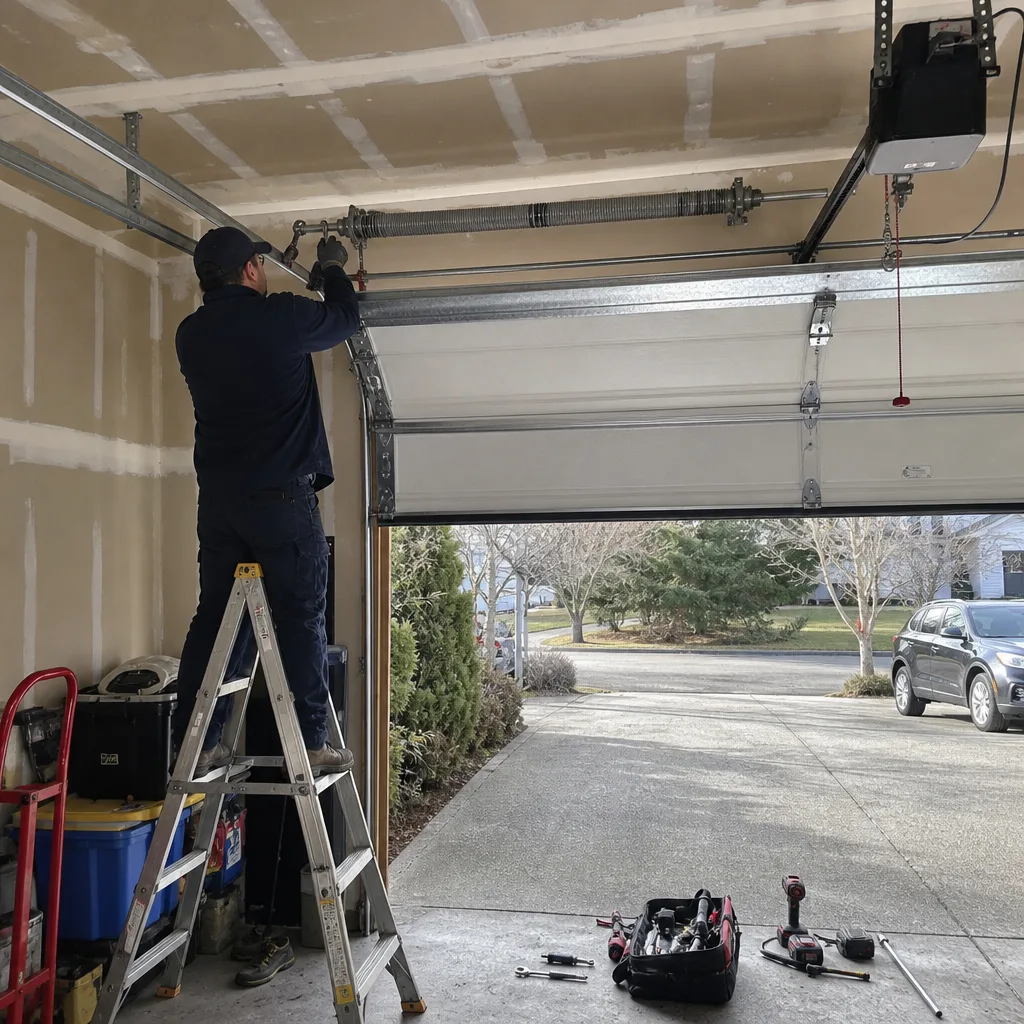
This is the decision most homeowners get wrong, usually because a contractor frames it as a preference rather than a calculation. See our DIY vs Professional Garage Door: The Tacoma Homeowner’s Decision Guide for related context. Here is the actual framework we use in Tacoma, derived from 18,000+ jobs since 2015.
Step 1: Establish Age and Cycle Count
- Find the door’s manufacture date, usually on a sticker on the interior face or edge.
- Estimate cycles: 1,500/year average use, 3,000+ for households with multiple drivers or home businesses.
- Standard torsion springs are 10,000-cycle rated; high-cycle springs are 25,000-50,000.
Step 2: Identify the Failure Type
- Single component failure (spring, cable, roller, sensor): repair is usually justified if the door is under 15 years and panels are intact.
- Panel damage from impact: replacement panels for doors over 10 years often cannot be sourced in matching color. Faded originals and new panels create a two-tone door.
- Multiple system failures (spring + cable + hinge): cumulative repair cost approaches replacement threshold faster than homeowners expect.
- Operator failure on door over 15 years: replace both. A new opener on a failing door strains the new motor and voids meaningful warranty protection.
Step 3: Apply the Cost Threshold
| Door Age | Repair Cost vs. Replacement Cost | Recommendation |
|---|---|---|
| Under 10 years | Under 40% of replacement | Repair |
| 10-15 years | Under 30% of replacement | Repair with component upgrade |
| 15-20 years | Under 25% of replacement | Repair only if panels and hardware are sound |
| Over 20 years | Any repair over $200 | Replace - parts availability and energy code compliance favor replacement |
In Tacoma, a standard 16×7 steel door replacement with standard hardware runs $1,200-$2,400 depending on insulation rating and window configuration. For full pricing context, see our Garage Door Cost Breakdown: The Tacoma Homeowner’s Reference for 2026. A single torsion spring replacement runs $180-$340. The math becomes obvious quickly, but only if the contractor names both numbers on paper before starting.
We offer a free second opinion on any written estimate from another company. Bring the paperwork. No coupon required.
What a Written Price-First Quote Must Include
Clause 1 of The Haven Standard requires a flat, written price and written scope before any work begins. This is not a courtesy. It is a structural protection against the most common complaint in home services: the final invoice that exceeds the verbal estimate.
A legitimate written quote for garage door work in Tacoma must contain:
- Specific component identification. Not “replace springs” but “replace pair of 0.250 x 2.00 x 32 torsion springs, 10,000 cycle rating, galvanized finish.”
- Labor line item separate from materials. This permits comparison and verifies that labor is not inflated to hide material markup.
- Warranty terms in writing. Parts warranty length, labor warranty length, and what voids coverage. Our 365-Day Done Right Promise covers labor; manufacturer warranties cover parts.
- Permit status. In Tacoma, new garage door installations and structural modifications require permitting through the City of Tacoma Permits department. Repairs to existing components generally do not. The quote should state whether a permit is required, included, or the homeowner’s responsibility.
- Total price with no open-ended contingencies. “If we find additional damage” clauses with uncapped cost are not written prices. They are invitations to invoice inflation.
The absence of any of these elements signals a process problem. The contractor who cannot document before working cannot document after working either. And documentation after working is how you know what was actually done.
For installation work, we provide a free measure and written price, not a same-day rush. Measured, ordered, and scheduled work deserves measured, written pricing.
Tacoma-Specific Conditions: Salt Air, Humidity, and Freeze Cycles
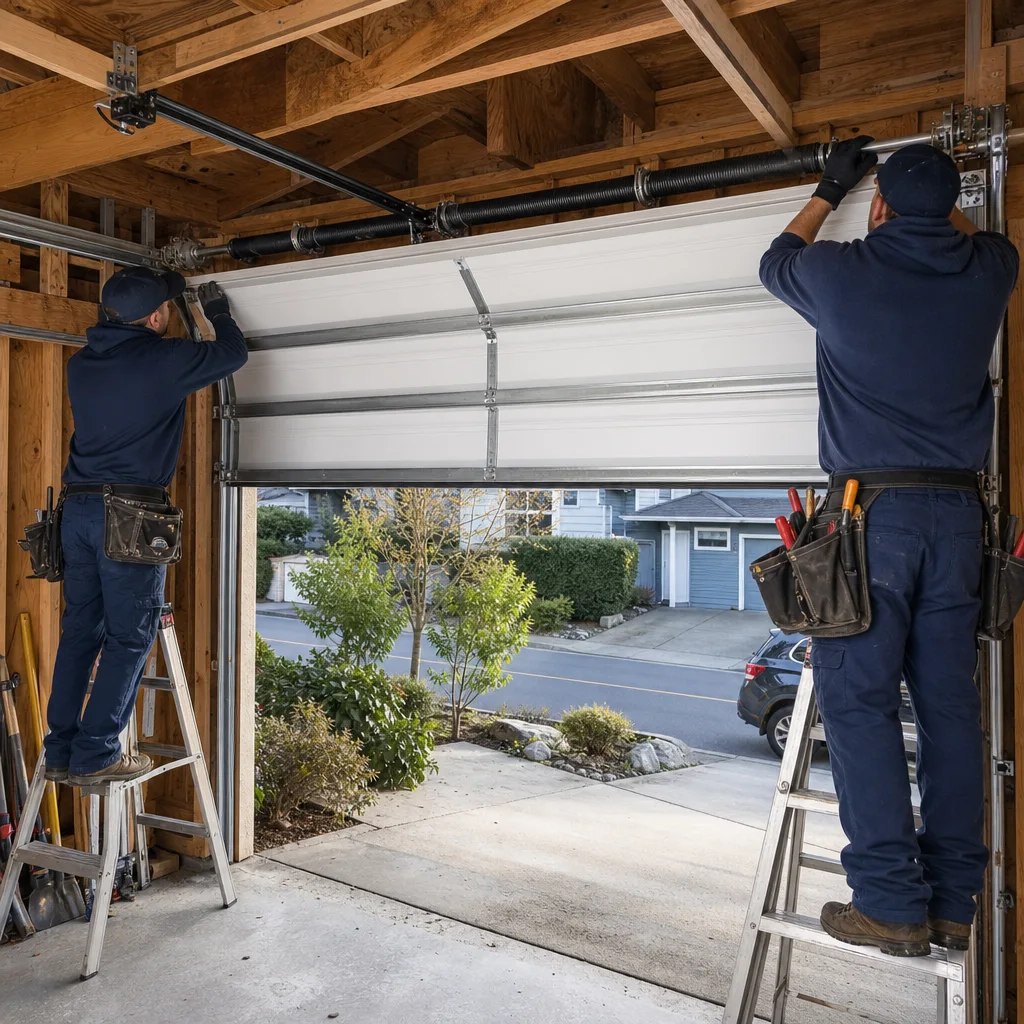
Tacoma’s geography creates three distinct wear patterns that inland guides ignore.
Salt-Air Corrosion
Homes within two miles of Puget Sound, in Ruston, Point Defiance, and the waterfront hills, see accelerated corrosion on galvanized hardware. Standard zinc coating on torsion springs and cables lasts 5-7 years in these microclimates versus 10-12 inland. We spec stainless steel or extended-life galvanized hardware for these properties. The additional cost, typically $60-$120 per spring pair, pays back in doubled service life.
Humidity and Wood Doors
Tacoma’s annual relative humidity averages 78%. Wood panel doors, common in historic North End and Proctor District homes, absorb moisture seasonally. The expansion-contraction cycle loosens paint, cracks panels at stile-and-rail joints, and eventually warps the door enough to bind in the tracks. A wood door in Tacoma needs resealing every 2-3 years, not the 5-year interval adequate in drier climates. Once warping exceeds 1/4 inch across a 16-foot width, replacement with a steel or composite door is the only permanent fix.
Elevation Freeze Cycles
Homes above 400 feet in Northeast Tacoma and the Fife Heights area experience more freeze-thaw cycles than the basin. Water enters track joints and roller stems, freezes, and expands. The result is track separation at splice points and roller bearing seizure. Annual lubrication with a silicone-based product, applied before November, prevents most of this damage. We schedule these proactively for customers on our maintenance program.
The Paper Trail Checklist: Documentation Before Work Starts
Clause 4 of The Haven Standard is why our technician photographs the failed component before quoting a replacement. The customer sees the evidence before anyone names a price. This rule, in place since 2015, eliminates the trust gap that defines most contractor relationships.
Before any work begins on your garage door in Tacoma, you should have:
- Photograph of the failed component. The actual broken spring, frayed cable, or cracked hinge, with enough context to identify location in the assembly. Not a stock photo from a website.
- Written scope of work. Every component to be removed, every component to be installed, with specifications.
- Written flat price. Total dollars, with labor and materials separated.
- Permit determination. Required or not required, and who obtains it if required.
- Warranty documentation. Parts and labor, with duration and conditions, in writing.
After work completes, you should receive:
- Photograph of completed installation. The new component in place, with identifying marks visible where applicable.
- Updated invoice matching the written quote. Any deviation must be explained and separately authorized in writing.
- Warranty registration or documentation. Manufacturer warranty for parts, company warranty for labor, with contact information for claims.
This is what leaving looks like before we arrive. The customer who knows what documentation to expect is the customer who gets it.
Garage Door Opener Repair and Installation Decisions
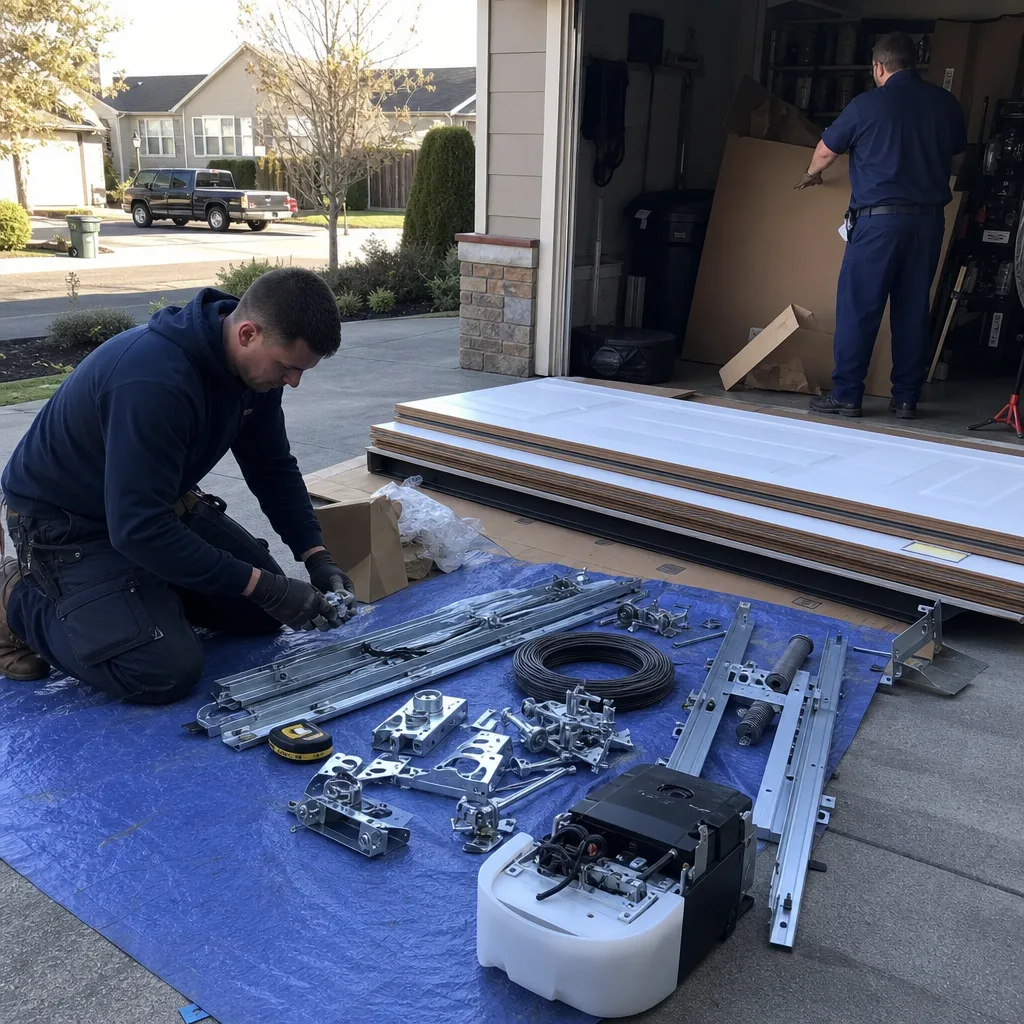
Opener decisions are simpler than door decisions but suffer from the same opacity. Here’s the framework.
Repair Is Justified When:
- The opener is under 10 years old and the failure is a single component: trolley carriage, limit switch, safety sensor, or logic board.
- The door itself is in good condition and properly balanced. An unbalanced door destroys any opener prematurely.
- Parts are available. Craftsman openers from 2010-2018 and some Raynor proprietary models have limited parts availability. We verify before quoting repair.
Replace When:
- The opener is over 15 years old. Pre-2010 openers lack modern safety features and consume 2-3x the standby power of current models.
- The failure is the motor itself. Motor replacement exceeds 60% of new opener cost in most cases.
- You need smart home integration. Current LiftMaster and Chamberlain models offer MyQ integration, battery backup (required by California law and increasingly expected in Tacoma), and encrypted rolling-code security.
Opener replacement in Tacoma runs $450-$850 for a standard 1/2 HP chain or belt drive with basic installation, $950-$1,400 for 3/4 HP with battery backup, WiFi, and extended rail for 8-foot or 10-foot doors common in newer Tacoma construction.
Full opener service details are here, including compatibility checks for existing remotes and smart home systems.
A Realistic Maintenance Schedule for Tacoma Homes
Most garage door failures are preventable. The maintenance that prevents them is neither complex nor time-consuming, but it is specific to Tacoma’s conditions.
| Interval | Task | Notes |
|---|---|---|
| Monthly | Visual inspection of cables, springs, and hardware | Look for rust, fraying, or loosening. Do not touch torsion hardware. |
| Quarterly | Lubricate rollers, hinges, and track with silicone-based product | WD-40 is a solvent, not a lubricant. It attracts dust and accelerates wear. |
| Annually (October) | Professional balance and safety check | Includes spring tension verification, force setting test, auto-reverse test, and sensor alignment. |
| Bi-annually (wood doors) | Reseal or repaint exposed wood surfaces | Critical in Tacoma’s humidity for doors over 10 years old. |
| After any impact | Track alignment and panel inspection | Even minor bumps in tight Tacoma driveways bend tracks. |
The annual professional check costs $120-$180 in Tacoma. It typically identifies one developing issue per visit, addressed before it becomes a $400+ repair or a door that won’t open at 6:00 a.m.
Common Mistakes to Avoid
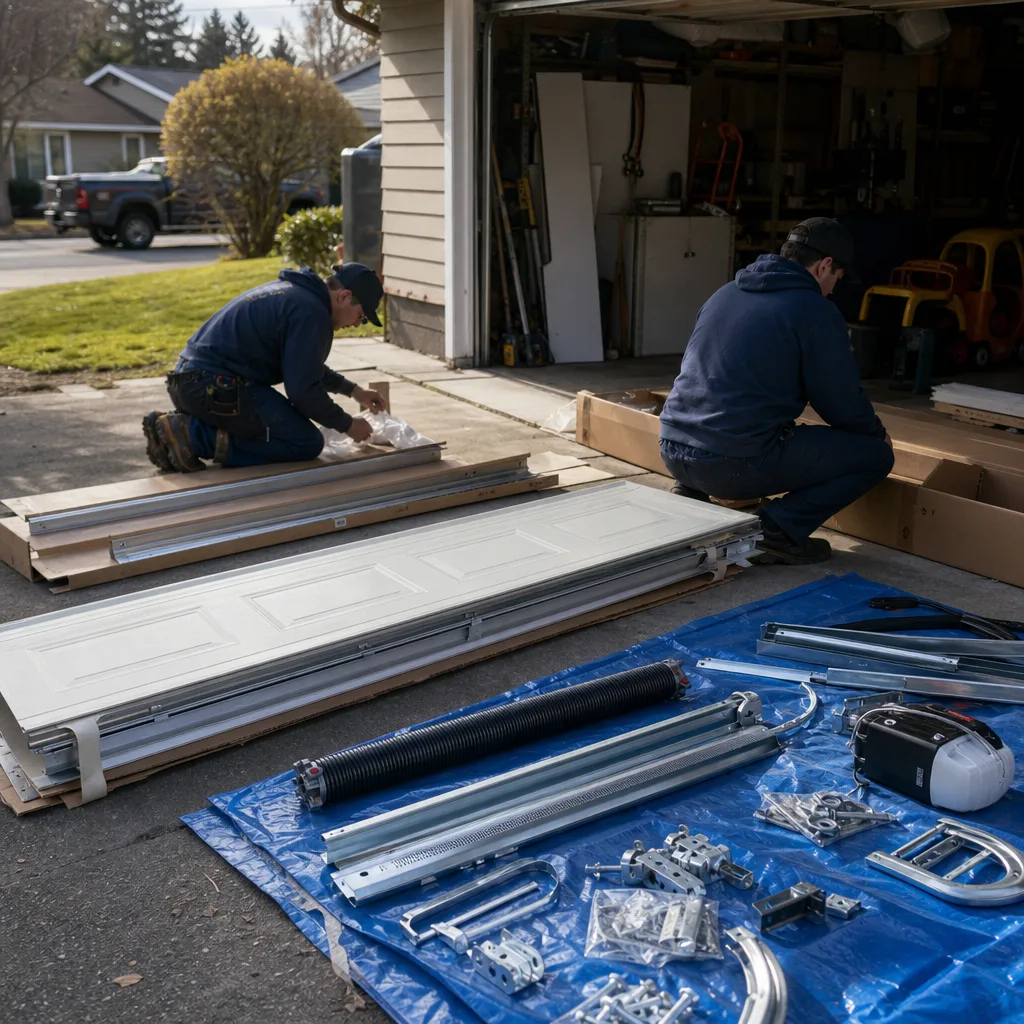
- Accepting a verbal quote. In Tacoma’s competitive market, some contractors compete by lowballing verbally and invoicing higher. A written price before work starts is the only protection. Clause 1 exists because this still happens.
- Ignoring a single broken spring on a two-spring door. Doors with extension springs or dual torsion springs place uneven load on the remaining spring. It fails within weeks, often at the worst possible time, and may damage the door or opener.
- DIY lubrication with the wrong product. Graphite on plastic rollers degrades them. Grease on tracks collects grit and grinds rollers. Silicone-based spray, applied sparingly, is the correct choice.
- Replacing an opener without checking door balance. An unbalanced door burns out any opener in 12-18 months. The opener is not the problem; the door is. A legitimate installer tests balance before recommending opener replacement.
- Neglecting permit requirements for new installations. Tacoma requires permits for new garage door installations. Unpermitted work complicates home sales and insurance claims. The permit is the homeowner’s responsibility, but the contractor should advise whether one is required.
- Assuming all technicians are employees. Background-checked, uniformed technicians are not universal. Ask directly: “Is the person who arrives your employee, or a subcontractor?” The answer matters for insurance coverage and accountability.
When to Call a Professional
Call when the door makes a new noise, moves unevenly, reverses unexpectedly, or fails to respond. Call immediately if a spring is broken, a cable is detached, or the door is off its tracks. These are not maintenance items; they are safety hazards involving high-tension components that can cause serious injury.
For everything else, the threshold is simple: if you cannot name the component that failed and verify its replacement in a written quote, you need a technician who can. Servo Garage Doors Tacoma offers free estimates in Tacoma. Call (253) 666-6264. A live person answers, 24 hours a day, including holidays. You’ll get a named technician and an on-the-way text, not a callback window.
Frequently Asked Questions
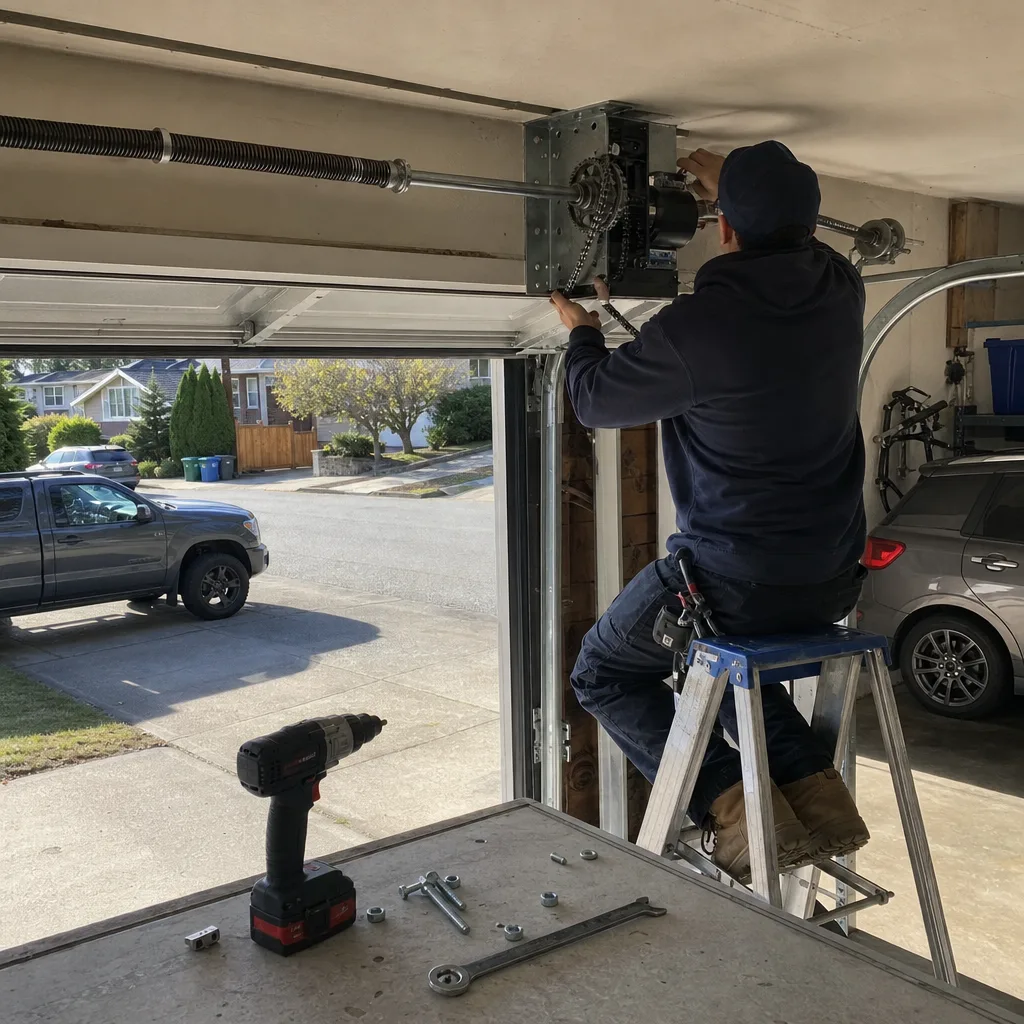
Most common repairs in Tacoma run $180-$340 for a single torsion spring replacement, $140-$260 for cable replacement, and $120-$200 for roller or hinge sets. Opener repairs range $150-$400 depending on component. We provide a flat, written price before any work starts, per Clause 1 of The Haven Standard. Call (253) 666-6264 for an exact quote - estimates are free.
A steel door lasts 20-30 years with proper maintenance; wood doors in Tacoma’s humidity typically need replacement or significant panel repair at 15-20 years. Salt-air exposure within two miles of Puget Sound reduces hardware life by 30-40% unless stainless or extended-life galvanized components are specified.
No. Torsion springs store lethal energy. Winding and unwinding requires specialized tools and training. Serious injury and death have occurred from DIY spring replacement. This is not a cost-saving opportunity; it is a hazard that warrants a trained professional. We photograph the failed spring before quoting replacement so you see exactly what failed without approaching the hardware.
Yes, for new installations and structural modifications. Repairs to existing components generally do not require permitting. See Garage Door Permits, Codes & Inspections in WA: What You Need to Know for full details. A legitimate contractor states permit status in the written quote and either includes permit costs or clearly assigns them to the homeowner.
We service all major brands including LiftMaster, Chamberlain, Genie, Clopay, Amarr, Wayne Dalton, Craftsman, and Raynor. Parts availability varies by model age; we verify before quoting repair. For replacement, we recommend current LiftMaster or Chamberlain models for broad smart-home compatibility and available parts.
Every visit includes photographs of the failed or worn component before work begins, and the installed component after completion, delivered to the customer. This traces to Clause 4 of The Haven Standard, established when Servo was founded in 2015: the customer sees the failed part before anyone quotes a replacement. No exceptions.
The Bottom Line
The average garage door in Tacoma is a $1,500-$2,500 asset that operates 1,500 times a year in conditions that accelerate wear. The difference between a good outcome and a disputed one is not the brand chosen or the price paid. It is the documentation: the written quote before work, the photograph of what failed, the written warranty after. These are structural protections, not courtesies. They are what The Haven Standard codifies, what Servo Garage Doors Tacoma has operated under since 2015, and what every homeowner should demand from any contractor who sets foot on their property.
Written by Marcus Deller, Owner at Servo Garage Doors Tacoma, serving Tacoma since 2015.