
Last updated September 21, 2026
Full 25-point door and opener safety check with every visit - springs, cables, rollers, tracks, and your LiftMaster or Chamberlain opener included
You get a price before we start. It does not change when the truck arrives.
 Before
 After
After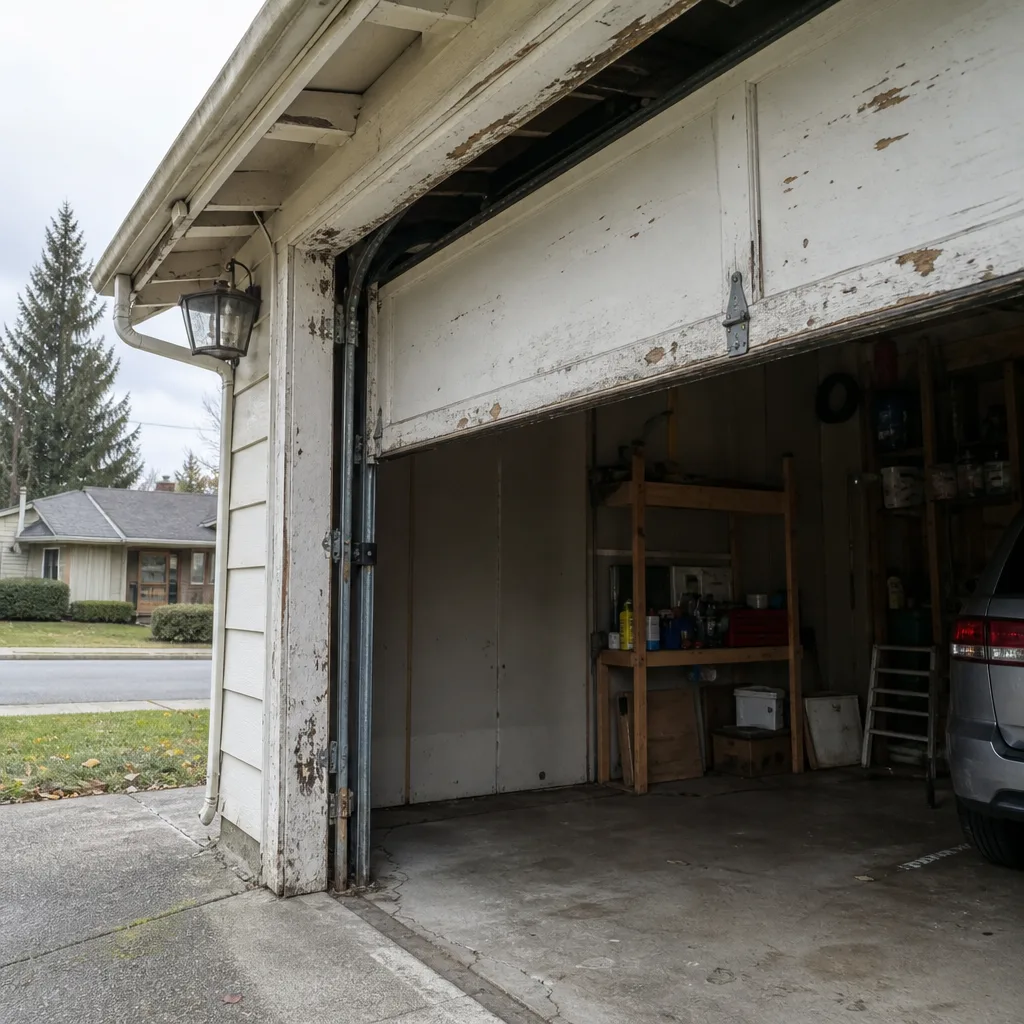 Before
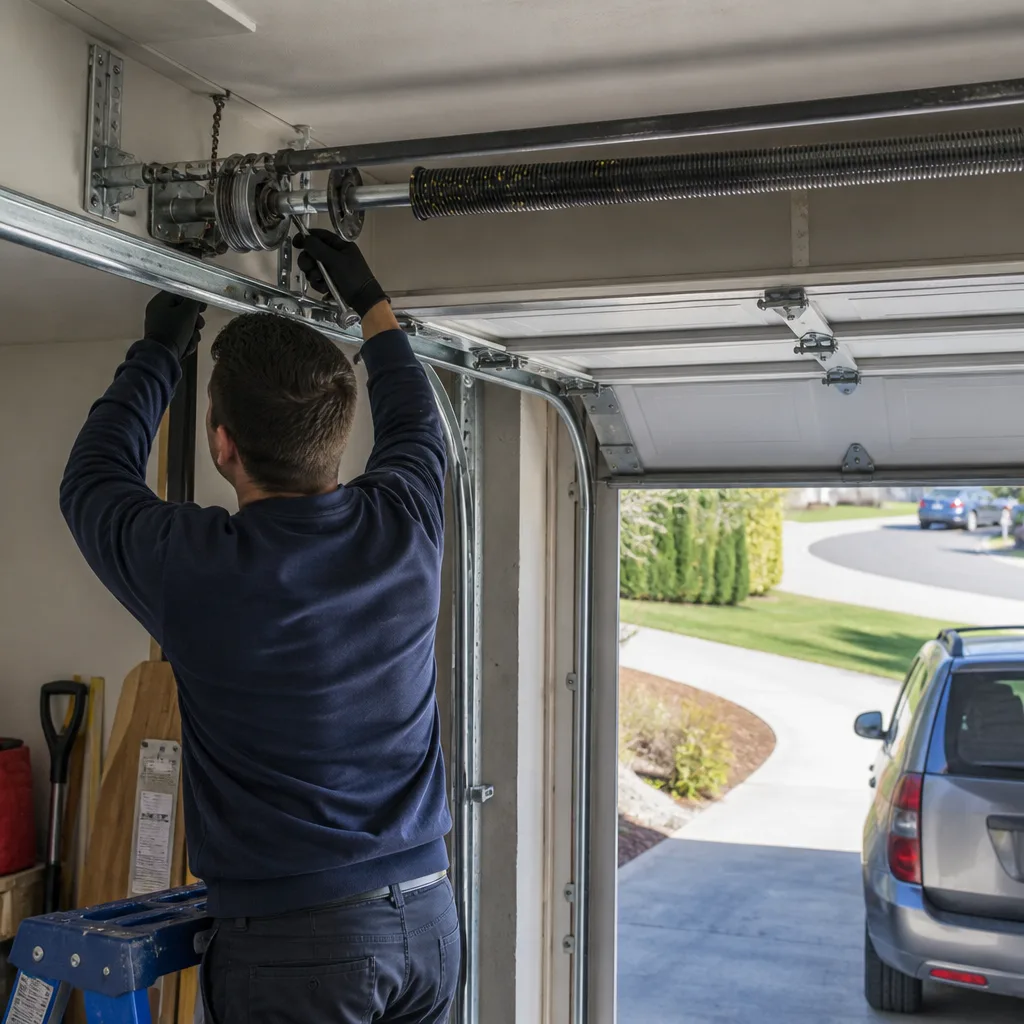 After
After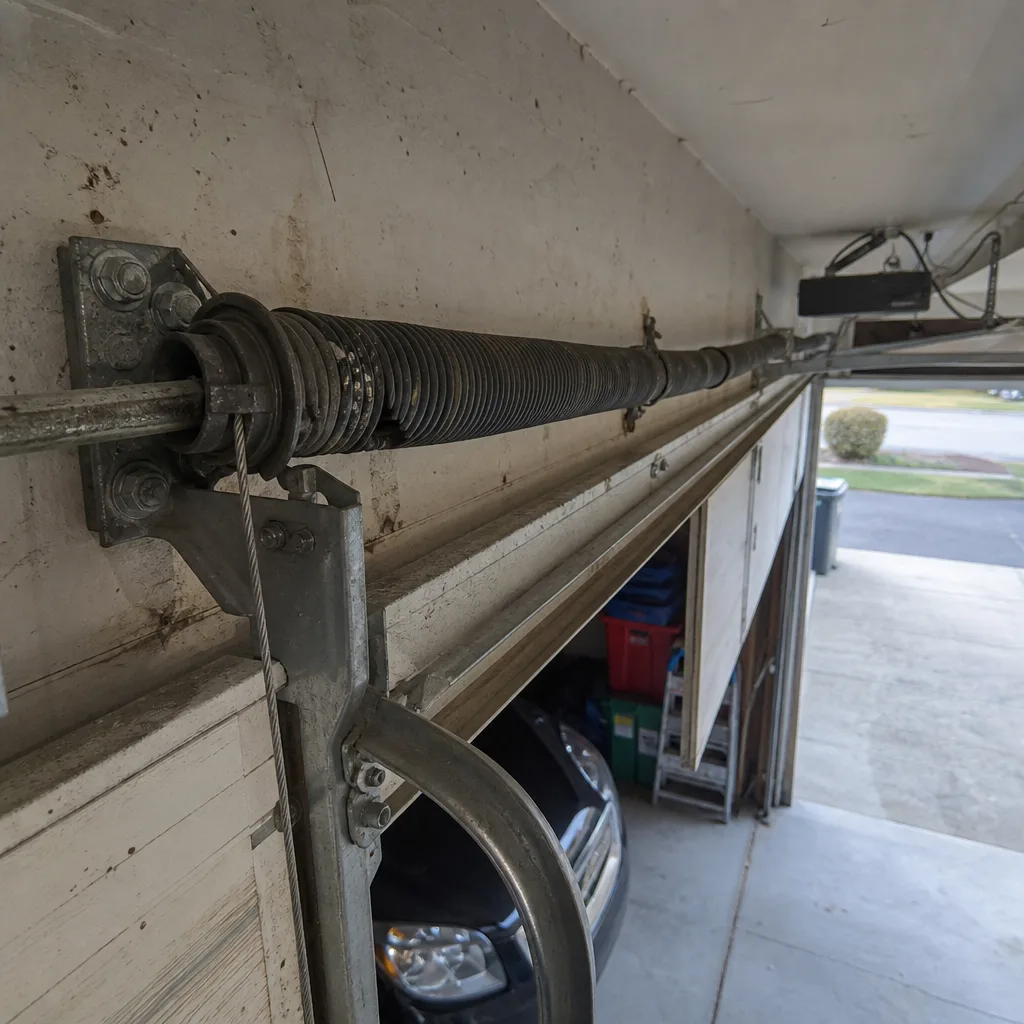 Before
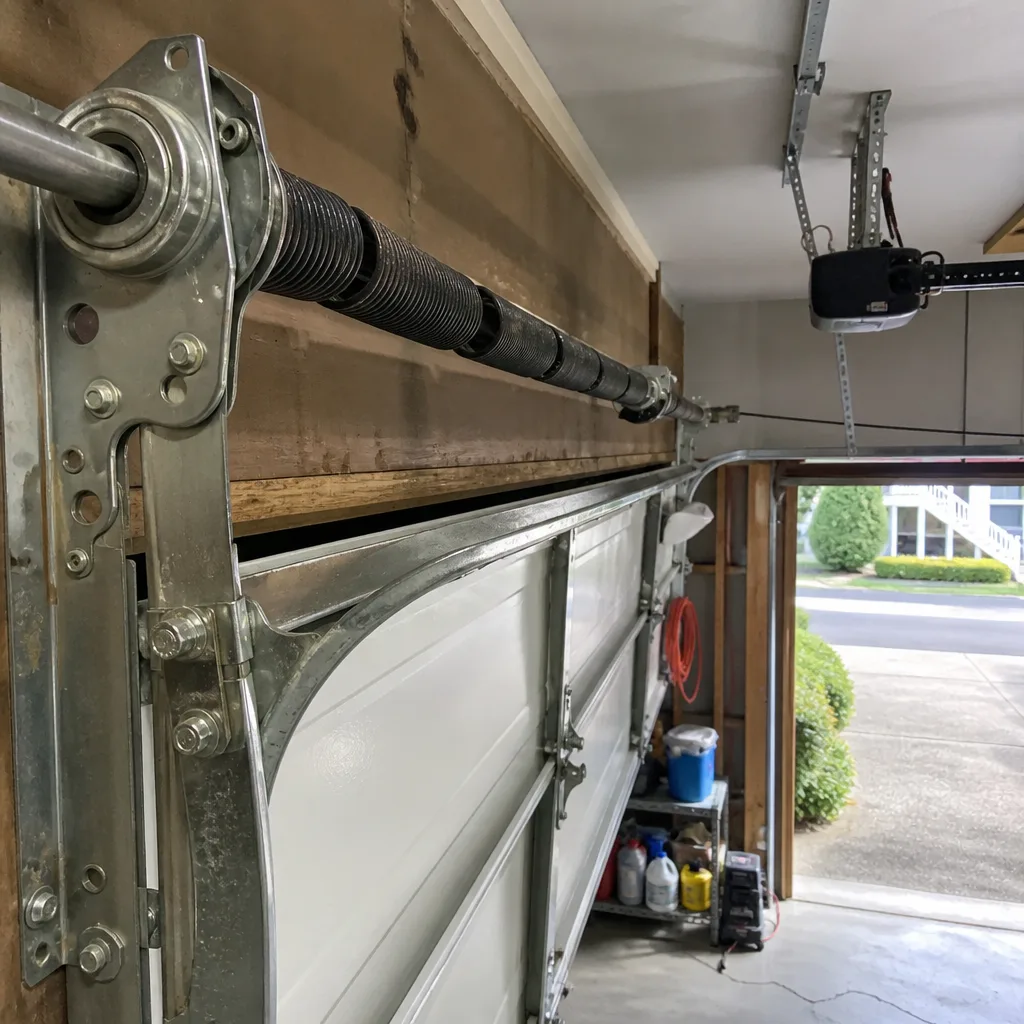 After
AfterGarage Door Permits, Codes & Inspections in WA: What You Need to Know
Here’s the line most Tacoma homeowners get wrong: swapping your garage door opener requires zero permits, but cutting a new door opening into an existing garage wall triggers full plan review and inspection. We’ve seen this confusion cost sellers thousands at closing when an unpermitted header modification surfaces on a buyer’s inspection report. In this guide and our more guides & resources, we’ll walk through exactly which garage door projects need permits under Washington State code, which don’t, and how to protect your home’s title when you sell.
Quick Answer
Most garage door replacements and opener installations in Washington State do not require permits. You need a permit when the work involves structural changes to the opening (new header, wider rough opening), new electrical circuits, or converting a window to a door. All garage door openers sold or installed in Washington must comply with UL 325 safety standards, and doors over 8 feet wide require wind load and seismic bracing documentation.
Table of Contents
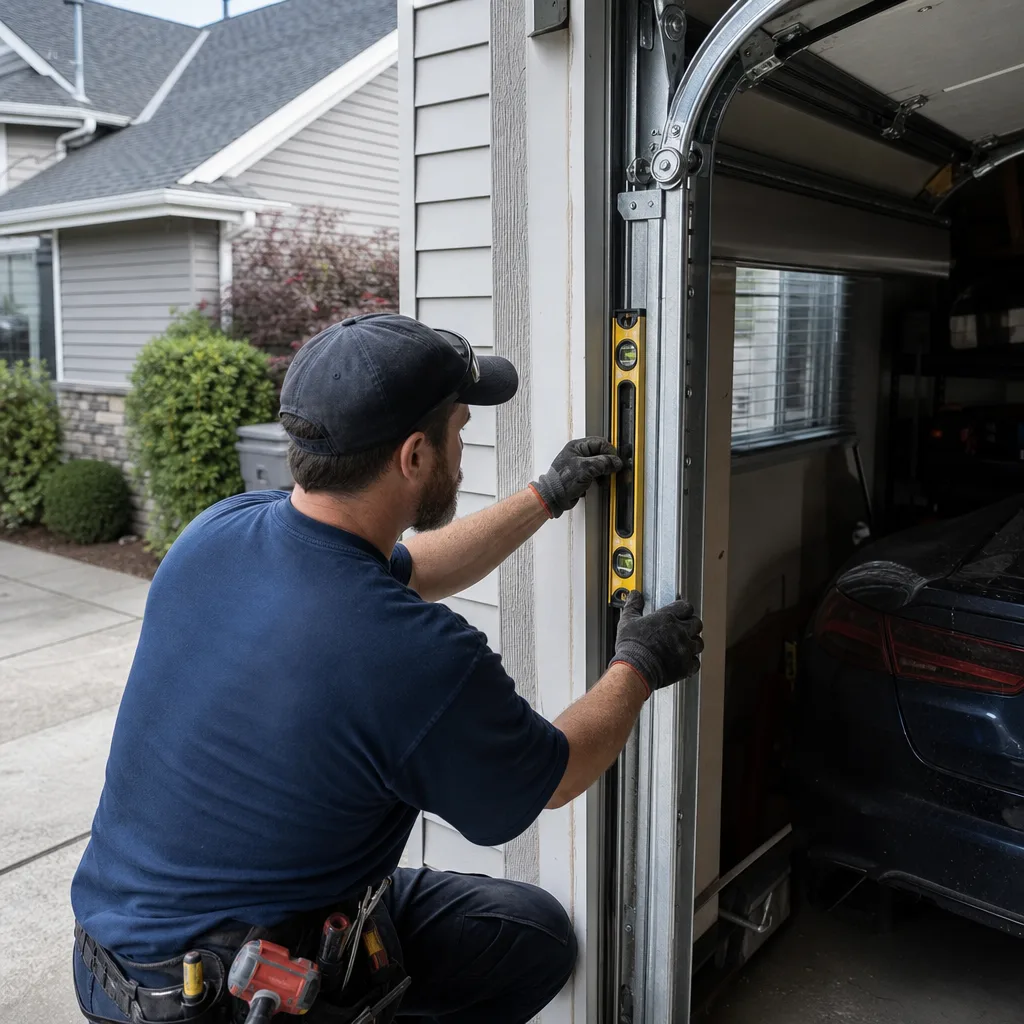
- When Permits Are Required for Garage Door Work
- Projects That Typically Don’t Need a Permit
- UL 325 Compliance: What It Means in Plain Terms
- Wind Load and Seismic Bracing Requirements
- The Inspection Process in Pierce County
- How Unpermitted Work Affects Home Sales
- Common Mistakes to Avoid
- When to Call a Professional
- Frequently Asked Questions
BeforeAfterWhen Permits Are Required for Garage Door Work
Washington State operates under the International Residential Code (IRC) as amended by the Washington State Building Code, with local jurisdictions adding their own requirements. In Tacoma, the Garage Door Installation in Tacoma permit threshold sits lower than many homeowners expect.
Structural Modifications
Any work that alters the load-bearing frame around your garage door opening requires a building permit. This includes:
- Installing a wider door that demands cutting back the existing rough opening
- Replacing or modifying the header - the horizontal beam that carries the wall load above the door
- Adding a new garage door opening where none existed (converting a window, blank wall, or side door)
- Changing the header material from wood to engineered lumber or steel
The Tacoma Municipal Code enforces the IRC’s header span tables strictly. A typical two-car garage in North Tacoma’s 1920s bungalows runs 16 feet wide; upgrading from a single 8-foot door to a double 16-foot door means the existing 2×12 header almost certainly fails the span calculation. The inspector will want to see an engineer’s letter or a prescriptive solution from the IRC tables.
New Electrical Work
Installing a new garage door opener on an existing outlet? No permit. Running a new 120V circuit from your panel to serve a garage that never had opener power? That requires an electrical permit under WAC 296-46B. The same applies if you’re adding:
- A dedicated outlet for a LiftMaster or Craftsman battery backup unit
- Low-voltage wiring for smart home integration that crosses into line-voltage territory
- Exterior lighting circuits tied to the garage door operation
Fire Separation and Energy Code
Attached garages in Tacoma must maintain a one-hour fire separation from living spaces. If your garage door replacement involves the door connecting garage to house - increasingly common in Tacoma’s Hilltop and Stadium District ADU conversions - the door assembly must carry a fire rating label. Unrated wood doors in these locations fail inspection.
Washington’s energy code (WSEC-R) also mandates minimum insulation values for garage doors on conditioned spaces. A door with no R-value label won’t pass if it’s the thermal boundary.
Projects That Typically Don’t Need a Permit
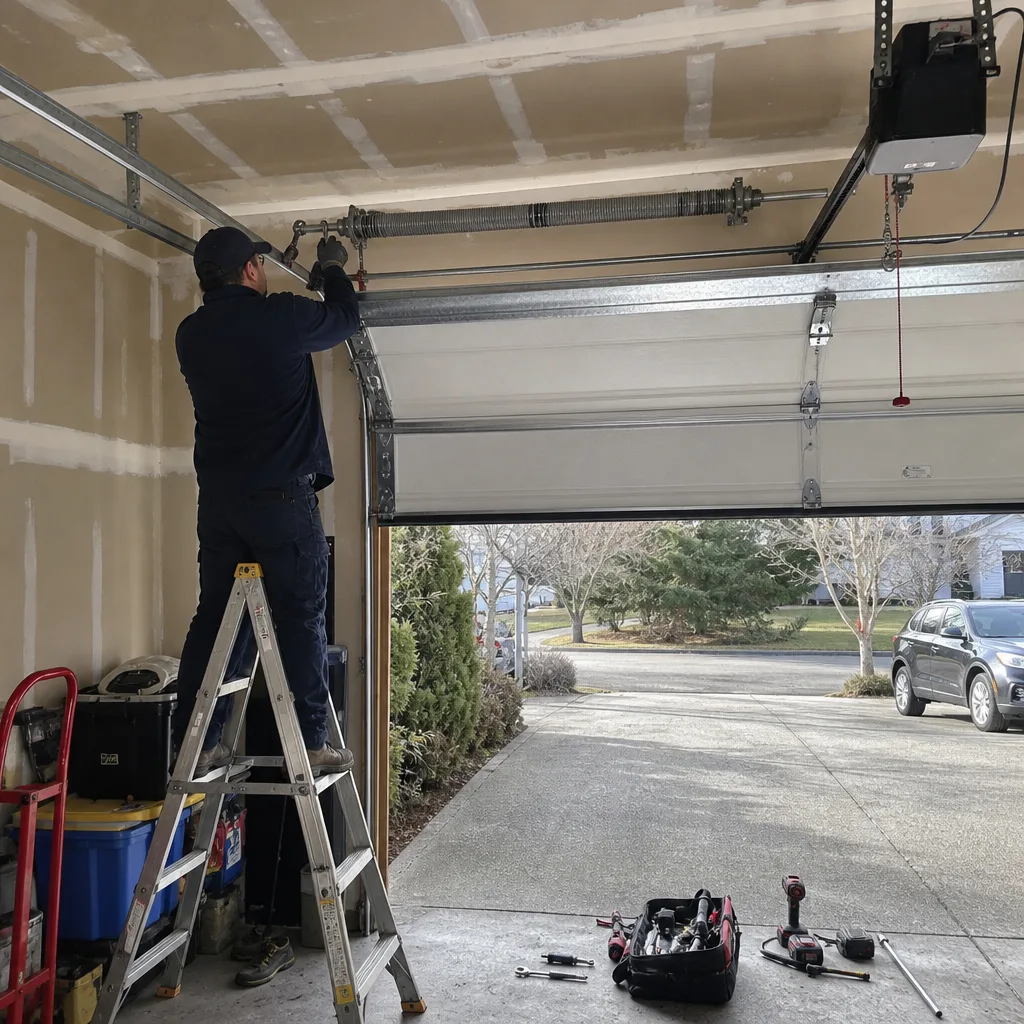
The majority of garage door service calls we handle in Tacoma fall cleanly outside permit territory, though knowing the Garage Door Warning Signs: A Tacoma Homeowner’s Reference Guide helps you spot trouble early. Understanding this boundary saves you time and money.
Like-for-Like Replacement
Removing a 16×7 steel door and installing a new 16×7 steel door in the same opening? No permit. The work is considered maintenance. This applies even if you upgrade from uninsulated to insulated, change color, or switch from raised panel to carriage house style - provided the opening dimensions and header remain untouched.
Opener Installation and Replacement
Mounting a new Chamberlain, Raynor, or LiftMaster unit on existing brackets and plugging into an existing outlet is maintenance work. The same goes for replacing a failed logic board, trolley carriage, or limit switch - these are component-level repairs.
Where we’ve seen Tacoma homeowners stumble: installing an opener in a garage that never had one, then discovering the inspector during a later sale flags the unpermitted electrical work. If your garage predates automatic openers and lacks a dedicated outlet, check whether the existing circuit was grandfathered or properly added.
Spring, Cable, and Hardware Repair
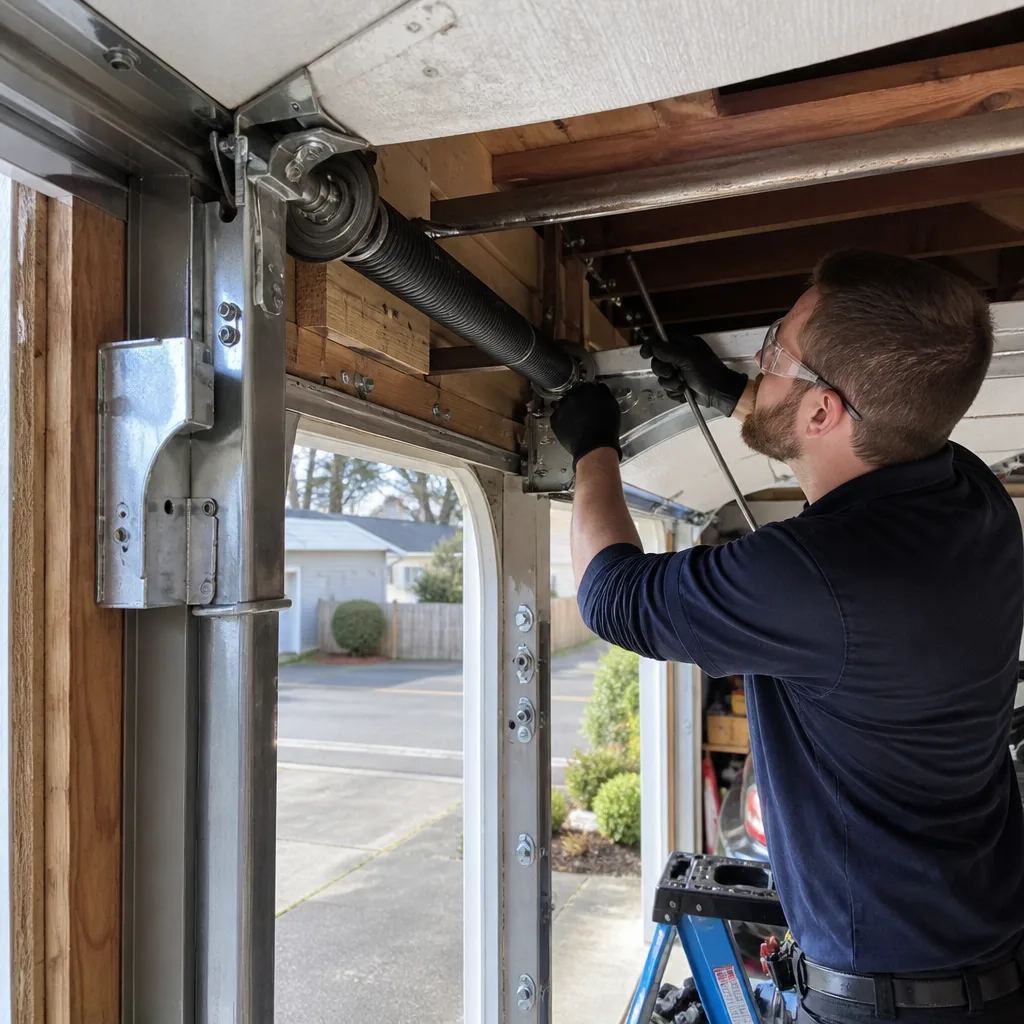
Garage Door Repair in Tacoma for broken torsion springs, frayed cables, worn rollers, or misaligned tracks requires no permit. These are mechanical repairs to existing systems. The safety caveat: torsion springs store massive energy. A 0.25-inch wire diameter spring on a standard 16-foot door holds roughly 10,000 foot-pounds of torque at full wind. This is not a homeowner repair - the injury risk is genuine and documented annually in CPSC data.
Weatherstripping and Seal Replacement
Bottom seals, jamb weatherstripping, and threshold replacement are routine maintenance. No jurisdiction in Washington requires permits for this work.
UL 325 Compliance: What It Means in Plain Terms
Every garage door opener sold or installed in Washington must comply with UL 325, the Underwriters Laboratories standard for door, drapery, gate, louver, and window operators and systems. This isn’t a suggestion - it’s codified in the Washington State Building Code and enforced at point of sale.
What UL 325 Actually Requires
The standard specifies entrapment protection, force limitation, and monitoring systems. In practical terms for a Tacoma homeowner buying a new opener:
- Two independent entrapment protections - typically a photoelectric eye (the sensors near the floor) and a constant-pressure control (the wall button you hold down). Both must function for the door to close automatically.
- Force limitation - the opener must reverse if it encounters more than 15 pounds of resistance during downward travel. This is tested during installation with a standard 2×4 block.
- Automatic reversal monitoring - the system must detect if the reversal mechanism fails and respond appropriately, usually by stopping operation.
How to Verify Your Opener Qualifies
Look for the UL 325 mark on the opener motor housing or the product label. For LiftMaster and Chamberlain models, this appears as “UL 325 Listed” with a file number. For Craftsman units, check the model-specific documentation - some older units carry CSA certification that Washington accepts as equivalent, but verify with your local jurisdiction.
Online retailers sometimes sell non-UL 325 openers intended for commercial or international markets. If the price seems unusually low, check the certification. Installing a non-compliant opener won’t trigger a permit inspection, but it creates liability exposure and may void your homeowner’s insurance if an injury occurs.
In our experience across Tacoma’s North End and Proctor districts, the most common UL 325 failure we encounter is misaligned photoelectric sensors. Sun glare off Commencement Bay in west-facing garages can blind older sensor models. Modern units with hooded or polarized lenses solve this - something we document in the photo record we deliver after every Garage Door Opener Repair & Installation in Tacoma visit.
Wind Load and Seismic Bracing Requirements
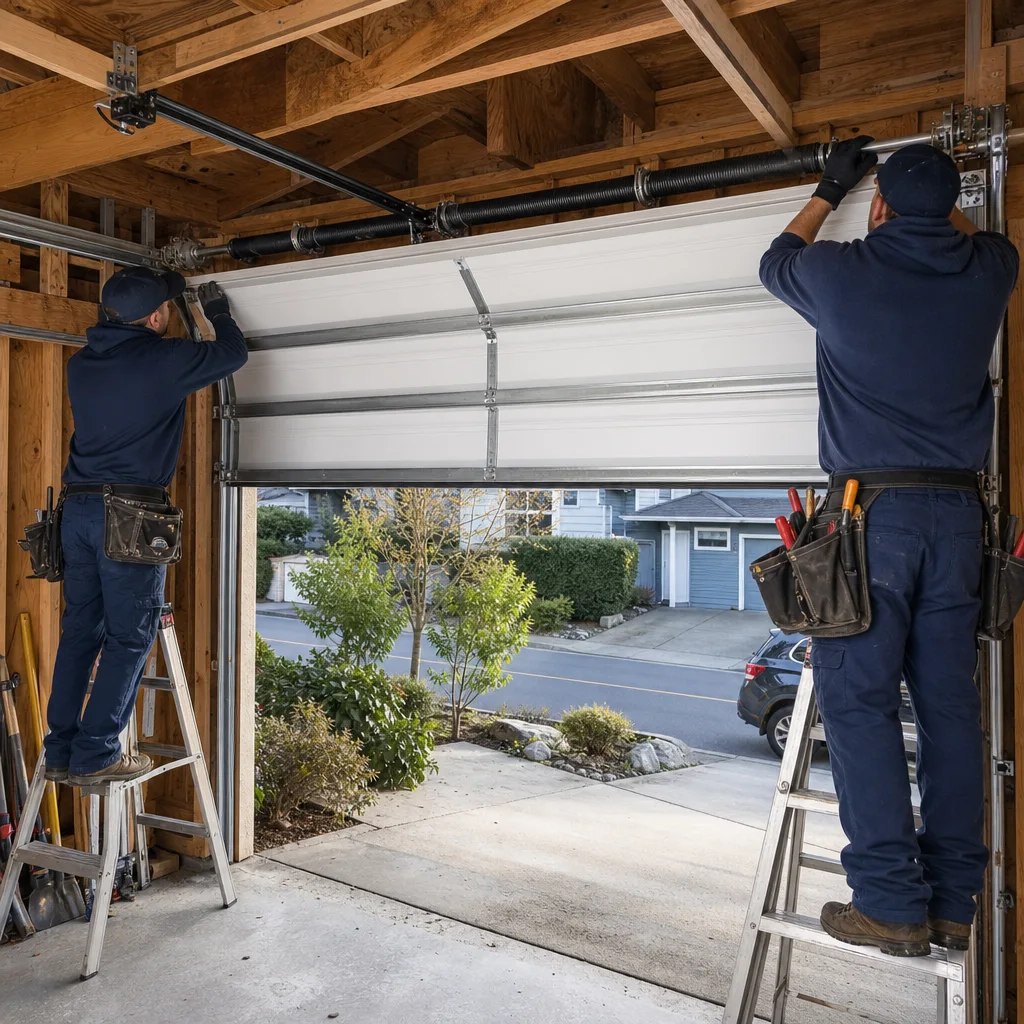
Washington’s location on the Pacific Ring of Fire and exposure to winter windstorms make seismic and wind load provisions unusually relevant for garage doors. The 2018 and later editions of the IRC, adopted with Washington amendments, add specific requirements often missed by homeowners and some contractors.
When Wind Load Documentation Applies
Any garage door over 8 feet wide installed in Washington must carry wind load certification. This covers virtually every double-car door and many oversized single doors. The documentation takes the form of:
- A manufacturer’s label stating the design pressure rating in pounds per square foot (psf)
- Installation instructions specifying anchorage patterns and fastener schedules
- Engineering calculations for custom or oversized openings
Tacoma’s basic wind speed per ASCE 7-16 is 85 mph for risk category II residential construction. Doors must be rated for this speed or higher. In exposed hillside locations - parts of Northeast Tacoma and the Salmon Beach area - local amendments may require 100 mph ratings.
Seismic Bracing for Large Doors
Doors over 16 feet wide or 8 feet tall require seismic bracing that ties the door frame to the building’s shear walls. This typically means:
- Metal strap bracing from the header to the top plate
- Hold-down anchors at the jambs, not just face-nailed framing
- Blocking between studs to prevent racking during lateral movement
The 2001 Nisqually earthquake damaged hundreds of garage doors in Pierce County, many from racked openings that jammed the door in place. A jammed garage door isn’t just an access problem - in a fire, it’s an egress failure. This is why current code treats large garage doors as structural elements, not appliances.
We’ve documented this in Tacoma’s older homes, particularly in the Stadium District and Central District, where original garage structures were built before seismic provisions existed. Retrofitting a new door into these openings often reveals inadequate shear walls - something we photograph and report before quoting any structural remediation.
The Inspection Process in Pierce County
When your project does require a permit, understanding the inspection sequence prevents delays and re-inspection fees. Pierce County Consolidated Permits handles unincorporated areas; the City of Tacoma Building and Land Use Services covers the city proper. The sequences are similar.
Step-by-Step: From Application to Final
- Plan review - Submit site plan, door specifications, header calculations, and electrical plans if applicable. For prescriptive header solutions, the IRC tables suffice; engineered solutions need a Washington-licensed engineer’s stamp. Timeline: 2-10 business days for simple projects, longer during spring construction season.
- Rough inspection - For structural work, the inspector verifies the header, jack studs, and king studs before drywall or exterior sheathing covers them. For electrical, this means visible wiring, boxes, and grounding. Failures here are common: inadequate jack stud bearing (minimum full-height studs required), wrong header fasteners, or missing hold-downs.
- Insulation and energy inspection - If the garage is conditioned or the door is part of the thermal envelope, the inspector checks the door’s R-value label against WSEC-R requirements. Tacoma’s marine climate (Zone 4C) requires minimum R-3.2 for garage doors in conditioned spaces.
- Final inspection - The installed door, opener, and safety systems are tested. The inspector cycles the door, checks the photoelectric sensors, verifies the emergency release, and confirms the UL 325 label on the opener.
Requesting Records After Close
Permit records in Tacoma are public and permanent. You can request them through the Servo Garage Doors Tacoma home office or directly from City of Tacoma Land Use Services. For Pierce County, use the online permit portal. These records transfer with the property and protect your title - a key point we’ll expand in the next section.
Typical inspection timelines in Pierce County run 1-3 days for scheduling once rough work is ready, assuming no corrections. Re-inspection fees apply if the inspector finds deficiencies. We’ve seen projects delayed two weeks because a contractor skipped the rough inspection and covered the header with sheathing - the inspector requires removal to verify bearing.
How Unpermitted Work Affects Home Sales
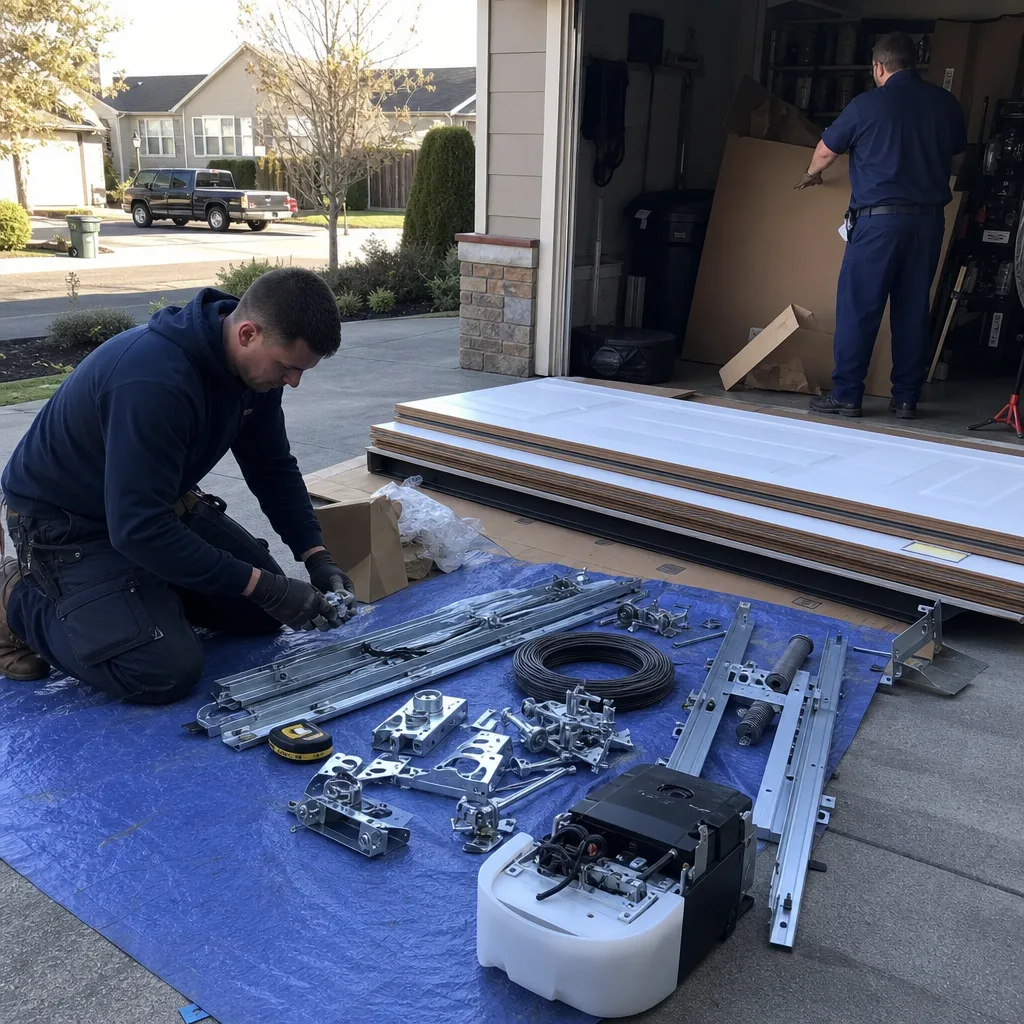
This is where the permit question becomes expensive. An unpermitted garage door modification can surface at three points in a home sale, each with escalating consequences.
The Buyer’s Inspection
Home inspectors in Tacoma’s competitive market are thorough. An inspector who notes a newer garage door in an older opening will check permit history. No permit on file triggers a recommendation for further evaluation. In our experience, this happens most often with:
- ADU conversions in Hilltop and McKinley neighborhoods, where garage doors were replaced with man doors or windows without permits
- Garage-to-living-space conversions with unpermitted door removals
- Oversized doors installed without structural documentation, common in North Tacoma’s custom renovations
Title Insurance and Lender Requirements
Title insurance policies increasingly exclude unpermitted work discovered after closing. Some lenders, particularly on FHA and VA loans, require permit verification for any structural modification. An unpermitted header change can delay closing or kill the loan.
The Seller’s Disclosure Liability
Washington’s seller disclosure form (Form 17) asks about permits for structural changes. A “no” or inaccurate answer creates post-sale liability. We’ve consulted with Tacoma homeowners who faced five-figure demands from buyers who discovered unpermitted garage modifications after closing.
The fix isn’t always expensive - retroactive permits, called “permits by affidavit” in Pierce County, can legalize work that meets code. But they require exposure of the work for inspection, and they don’t erase the disclosure issue. The better path: permit it right the first time, or verify existing work was permitted before you buy.
Common Mistakes to Avoid
- Assuming “maintenance” covers everything. Replacing a door in the same opening is maintenance. Widening that opening by even two inches is structural modification and requires a permit. We’ve seen Tacoma homeowners in the Proctor District cut back framing to fit a larger door, then face a failed inspection at sale five years later.
- Ignoring the electrical permit for new circuits. Running a new 20A circuit for a LiftMaster battery backup unit seems minor, but it’s line-voltage electrical work. The electrical permit is separate from the building permit, and both may be required.
- Buying openers online without UL 325 verification. Gray-market openers from international sellers often lack UL certification. The savings evaporate when your insurance carrier denies a claim or your buyer’s inspector flags the unit.
- Skipping wind load documentation for large doors. A 18-foot RV door in a Gig Harbor-area home needs engineering documentation. The inspector won’t accept “it looks sturdy.” We’ve had to replace properly installed doors because the homeowner couldn’t produce the manufacturer’s wind load chart.
- Covering work before rough inspection. Drywalling over a new header before the inspector sees it guarantees a re-inspection fee and possible removal. Tacoma inspectors are specific: rough must be visible, accessible, and complete.
- Relying on contractor verbal assurance. “I’ve done hundreds without permits” doesn’t protect your title. Verify permit requirements independently through your local jurisdiction, and get the permit application number in writing.
- Neglecting to request final inspection sign-off. A permit without a final inspection is an open permit. It shows in property records as incomplete, which can be as problematic as no permit at all. Always close the loop.
When to Call a Professional
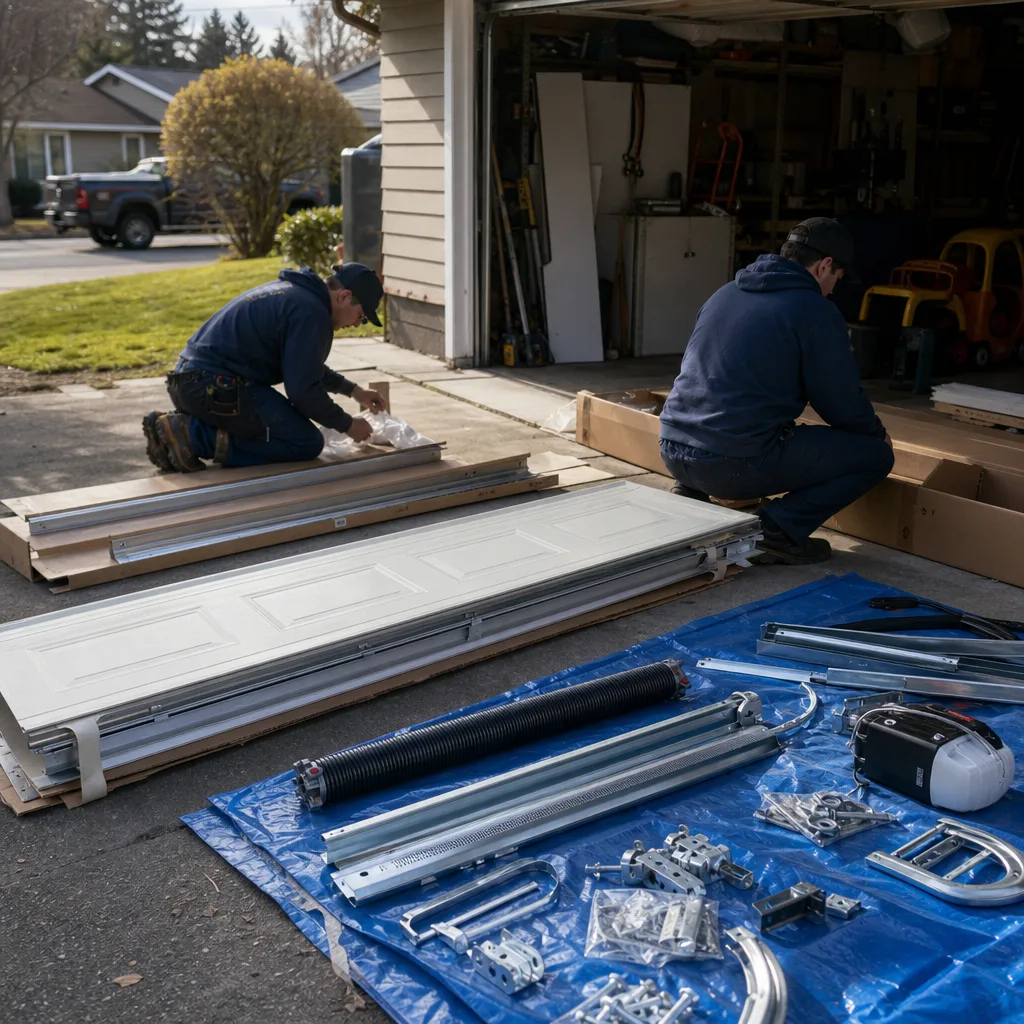
Call a licensed contractor - see How to Hire a Garage Door Contractor in Tacoma: A Step-by-Step Guide - when your project touches structural framing, requires new electrical circuits, or involves a door over 8 feet wide in Washington State. The documentation burden - engineering letters, UL 325 verification, wind load charts - falls on the installer, and an experienced contractor carries these as standard practice.
Servo Garage Doors Tacoma offers free estimates in Tacoma - call (253) 666-6264. Our process includes permit requirement verification as part of every written scope. If your project needs a permit, we identify it upfront, quote the full cost including permit fees, and handle the application and inspection scheduling. If it doesn’t, we document why, so you have a record for your files. Clause 4 of The Haven Standard is why the technician photographs the existing conditions before quoting any work that might trigger a permit.
Frequently Asked Questions
No, if you’re installing a new door in the same opening without structural changes. Yes, if you’re modifying the rough opening, replacing the header, or changing the wall framing. Call (253) 666-6264 for a free estimate and we’ll verify your specific situation - estimates are free.
No, when installed on existing electrical outlets. A new dedicated circuit requires an electrical permit under WAC 296-46B. All openers must carry UL 325 certification regardless of permit status.
The unpermitted work may be flagged in the buyer’s inspection, triggering renegotiation, repair demands, or loan denial. Title insurance may exclude coverage for defects related to the unpermitted work. Retroactive permits are possible but require exposing the work for inspection.
Plan review typically takes 2-10 business days. Inspection scheduling runs 1-3 days after rough work is ready. Re-inspections, if needed, add similar timelines. Complete permit-to-close timelines average 2-4 weeks for straightforward projects.
UL 325 is the safety standard requiring photoelectric sensors, force limitation, and automatic reversal on all garage door openers. It matters because non-compliant openers create liability exposure, may void insurance, and cannot be legally sold in Washington. Verify the UL 325 mark on any opener before purchase.
Yes, for any door over 8 feet wide. Tacoma’s basic wind speed is 85 mph; exposed locations may require 100 mph ratings. The certification appears as a manufacturer’s label stating design pressure in psf. We verify this on every Garage Door Installation in Tacoma before quoting.
The Bottom Line
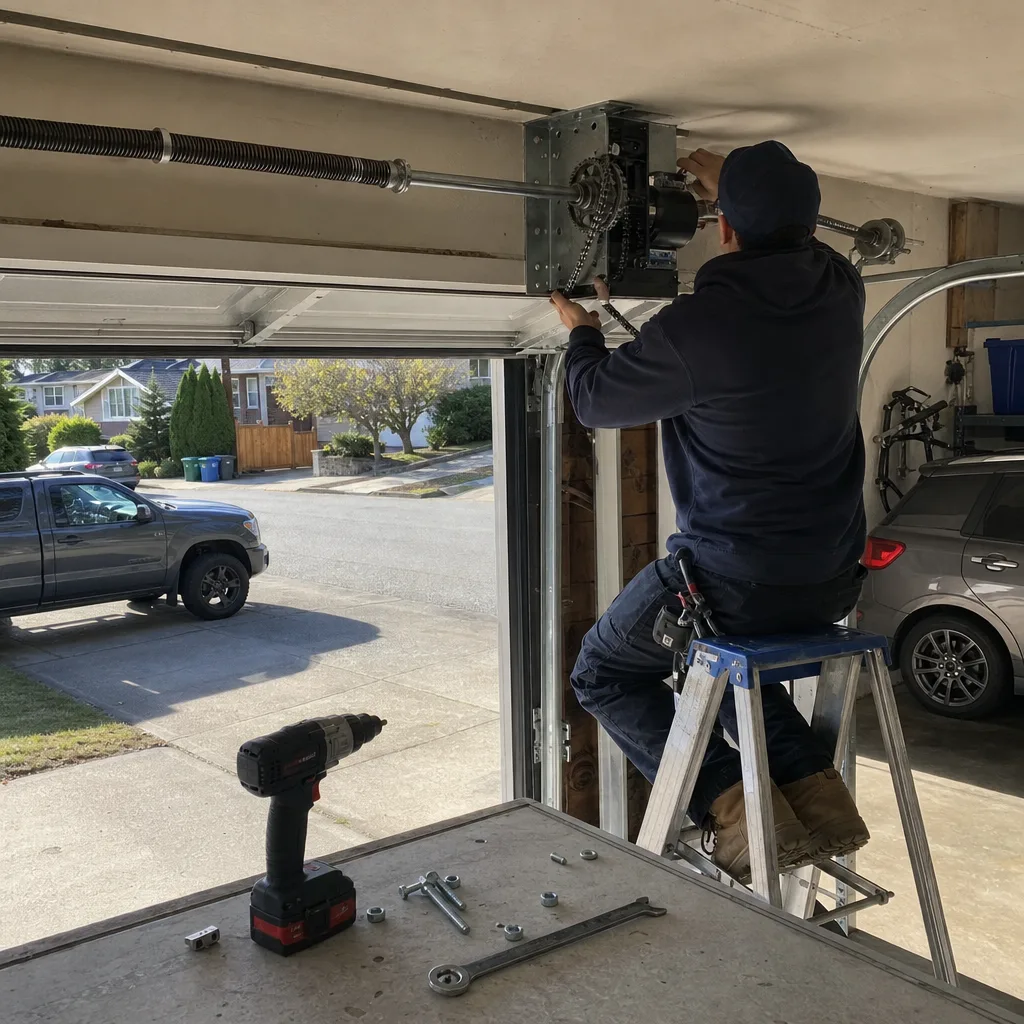
Washington’s garage door permit rules reward informed homeowners. Most replacements and repairs need no permit - but the exceptions, involving structural headers, new electrical circuits, and large doors with wind load requirements, carry serious consequences when ignored. The documentation you gather today, whether a permit file, a Garage Door Repair Maintenance Checklist for Tacoma Homeowners, or a contractor’s written scope, protects your property’s title tomorrow. For any project you’re uncertain about, verify the requirement through your local jurisdiction or a licensed contractor before work begins.
Written by Marcus Deller, Owner at Servo Garage Doors Tacoma, serving Tacoma since 2015.